
About
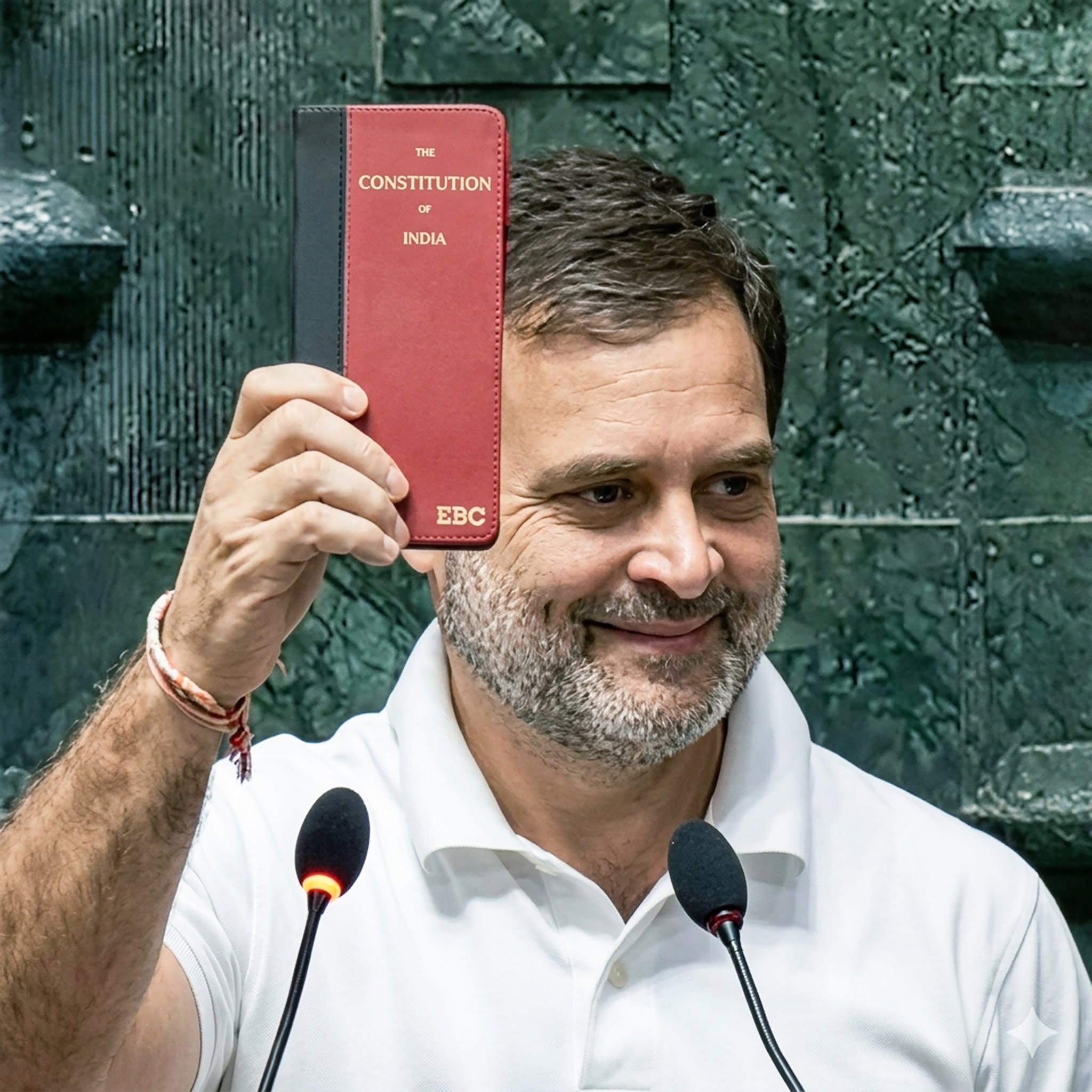
Rahul Gandhi is a prominent Indian political leader and a senior figure in the Indian National Congress (INC). He served as the President of the INC from 2017 to 2019, including during the historic 84th AICC Plenary Session in New Delhi. A four-time Member of Parliament in the Lok Sabha, he currently represents Wayanad, Kerala (since 2019), and previously served as the MP from Amethi, Uttar Pradesh (2004–2019).
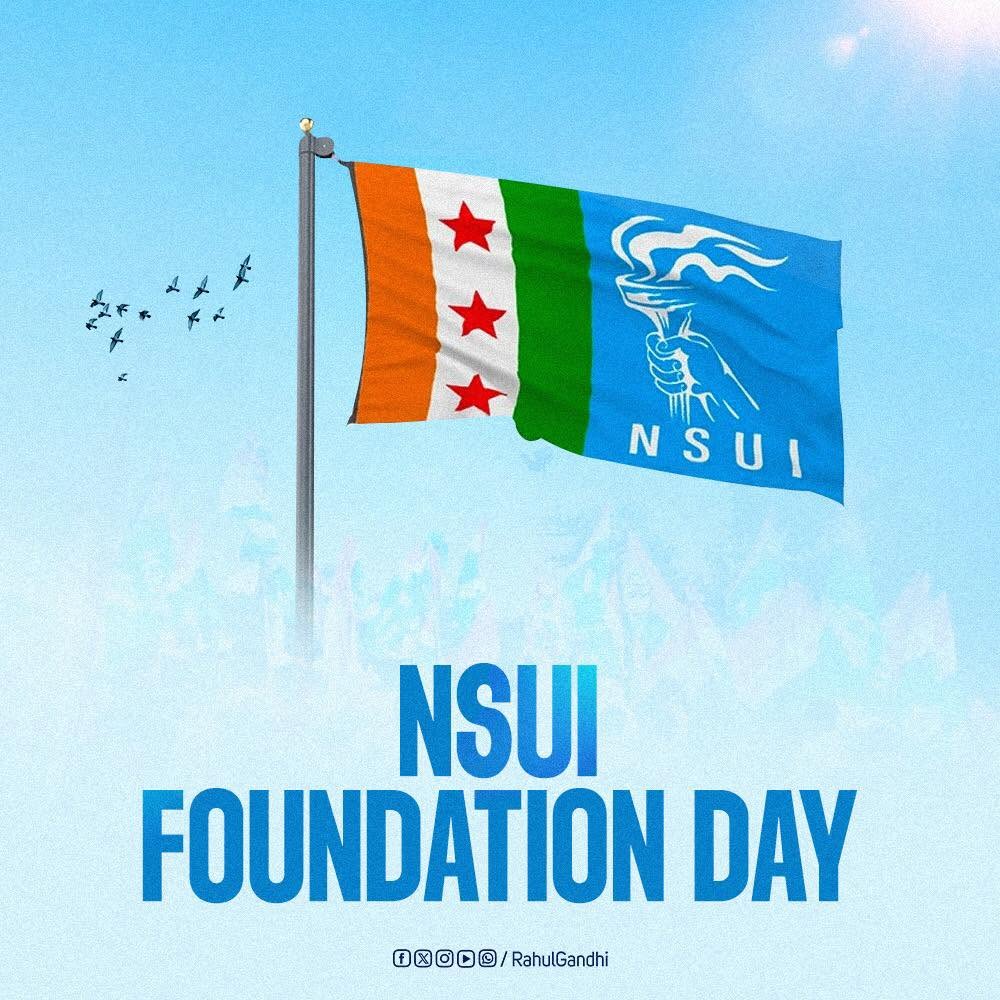
Over the years, Rahul Gandhi has played a significant role in parliamentary and organisational responsibilities. He has been associated with key parliamentary committees, including Defence, External Affairs, Home Affairs, and Human Resource Development. He is also actively involved as a trustee of the Rajiv Gandhi Charitable Trust and the Rajiv Gandhi Foundation. Within the Congress party, he has held several leadership roles such as General Secretary of the AICC, Vice-President of the INC, and in-charge of both the Indian Youth Congress (IYC) and the National Students’ Union of India (NSUI).
Early Life and Education
Born on 19 June 1970 to former Prime Minister Rajiv Gandhi and Congress leader Sonia Gandhi, Rahul Gandhi grew up in New Delhi in a family deeply rooted in Indian politics. He began his schooling at St. Columba’s School and later attended The Doon School in Dehradun. Following the assassination of his grandmother, former Prime Minister Indira Gandhi, and subsequent security concerns, Rahul Gandhi and his sister Priyanka Gandhi continued part of their education through home schooling.
He briefly attended St. Stephen’s College, University of Delhi, before moving to the United States to study at Harvard University. After the tragic assassination of his father in 1991, he transferred to Rollins College in Florida, where he completed his undergraduate degree in 1994. He later pursued an M.Phil. in Development Studies from Trinity College, University of Cambridge (1995).
Professional Background
Before entering politics, Rahul Gandhi gained international corporate experience by working with the Monitor Group, a management consulting firm in London. After returning to India, he co-founded a technology outsourcing company, Backops Services Pvt. Ltd., based in Mumbai, where he served as a director. This phase helped him understand global business practices and economic systems before transitioning into full-time politics.
Political Journey
Rahul Gandhi formally entered electoral politics in 2004, contesting from Amethi, a constituency historically associated with his family. He secured a decisive victory and began his parliamentary career with a strong mandate. Since then, he has consistently advocated for inclusive politics, focusing on unity, social justice, and equitable development.
In 2007, he was appointed General Secretary of the AICC, where he took charge of the party’s youth wings—NSUI and IYC. Under his leadership, these organisations saw a remarkable expansion in membership and internal democratization, growing from a few lakh members to over 25 lakh. He has been a vocal supporter of empowering youth, students, and women within the political framework.
Throughout his political career, Rahul Gandhi has emphasized issues such as rural development, education, employment, women’s empowerment, and fair representation for marginalized communities. In 2011, he was detained in Bhatta Parsaul (Uttar Pradesh) while supporting farmers protesting for fair land compensation, highlighting his grassroots engagement.
Leadership as Congress President (2017–2019)
Rahul Gandhi assumed the presidency of the Indian National Congress on 16 December 2017. During his tenure, he repositioned the party as a strong opposition voice, raising concerns about governance, economic policies, and social issues. He consistently challenged the ruling government on matters related to inequality, unemployment, and institutional integrity, establishing himself as a key national political figure.
Post-Presidency Political Role
After stepping down as party president in May 2019, Rahul Gandhi continued to remain actively involved in shaping the Congress party’s direction and national discourse. He has remained a strong advocate for democratic values, social harmony, and inclusive growth, consistently speaking on issues affecting farmers, workers, youth, and marginalized communities.
Mass Outreach Movements
A defining phase of Rahul Gandhi’s political journey has been his direct engagement with the people through large-scale padyatras.
In September 2022, he launched the Bharat Jodo Yatra, a nationwide march spanning over 4,000 kilometres from Kanyakumari to Kashmir, aimed at promoting unity, love, and social harmony. The movement witnessed massive public participation and reshaped political discourse by emphasizing compassion and inclusivity.
Building on this momentum, he initiated the Bharat Jodo Nyay Yatra in January 2024, covering approximately 6,700 kilometers from Manipur to Mumbai. This campaign focused on delivering justice across social, economic, and political spheres through the framework of the “Paanch Nyay” agenda, which includes justice for youth, women, farmers, workers, and marginalized communities.
Vision and Ideology
Rahul Gandhi envisions an India built on fairness, equality, and opportunity for all. He strongly believes that governance must prioritize the needs of the people, particularly farmers, youth, women, workers, and disadvantaged groups. His policy approach emphasizes reducing economic inequality, expanding employment opportunities, and strengthening small and medium enterprises.
He advocates decentralisation of power, strengthening local governance, and ensuring representation for historically marginalized communities such as Dalits, Adivasis, and OBCs. His vision focuses on creating an economy where growth is inclusive and benefits are widely distributed rather than concentrated.
Personal Interests and Lifestyle
Beyond politics, Rahul Gandhi is known for his diverse interests and disciplined lifestyle. He is an avid reader, drawing inspiration from spiritual and philosophical texts, including the works of Swami Vivekananda and The Unfettered Mind. He has studied various religious traditions and maintains a deep interest in understanding different belief systems.
He is also a certified scuba diver and enjoys underwater exploration. Known for his fitness, he holds a black belt in Aikido, a Japanese martial art, reflecting his commitment to discipline and physical well-being. Additionally, he enjoys long-distance cycling and outdoor activities.
Conclusion
Rahul Gandhi’s political journey reflects a blend of legacy, modern vision, and grassroots engagement. From his early exposure to public life to leading nationwide movements like the Bharat Jodo Yatra, he has positioned himself as a leader focused on unity, justice, and inclusive growth. His continued emphasis on listening to people and addressing their concerns shapes his approach to politics and governance, reflecting a vision of an India rooted in equality, compassion, and democratic values.
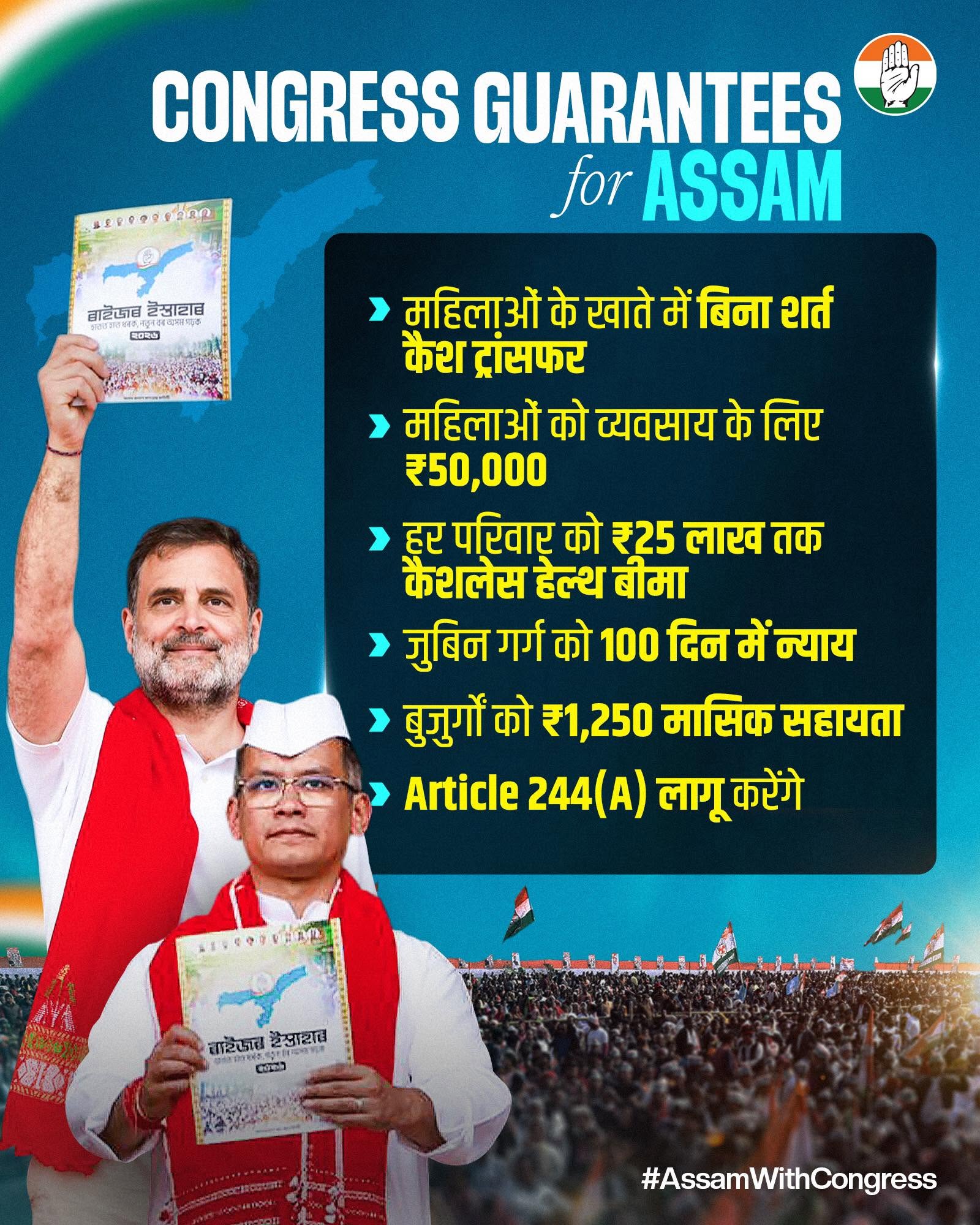
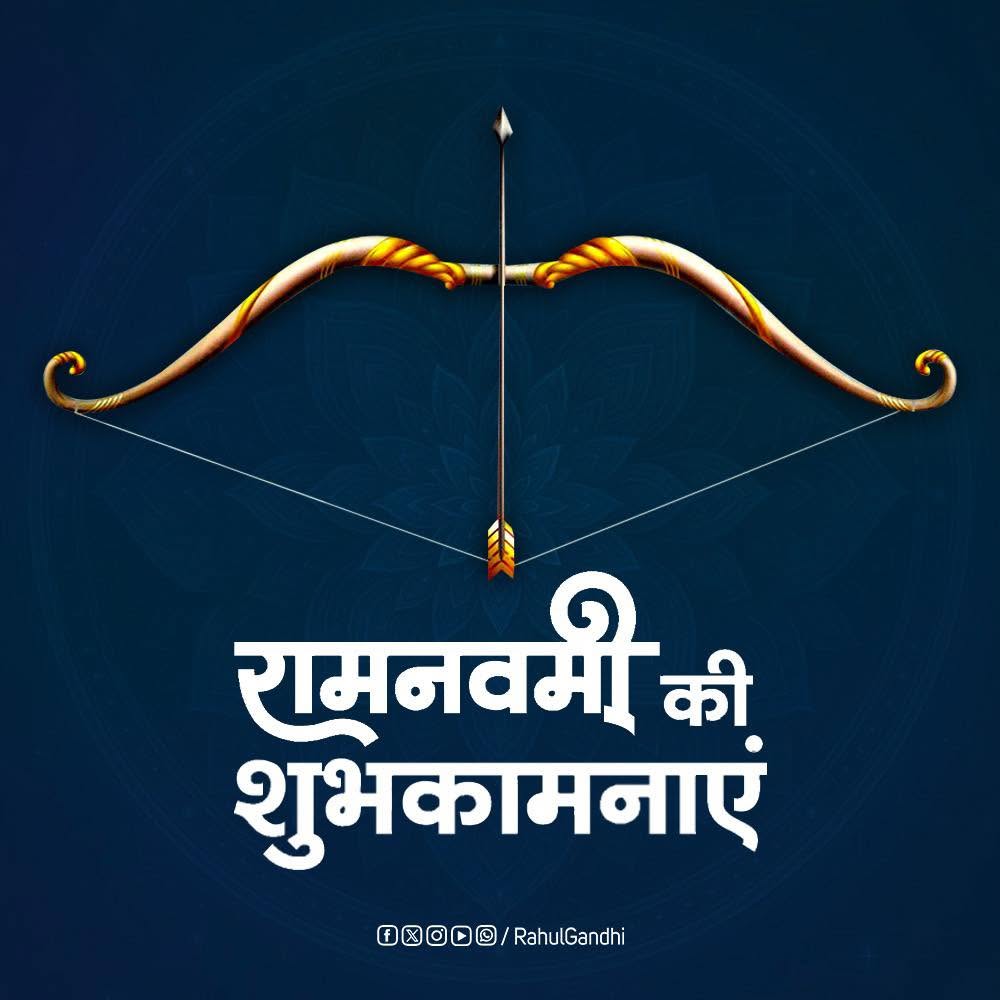
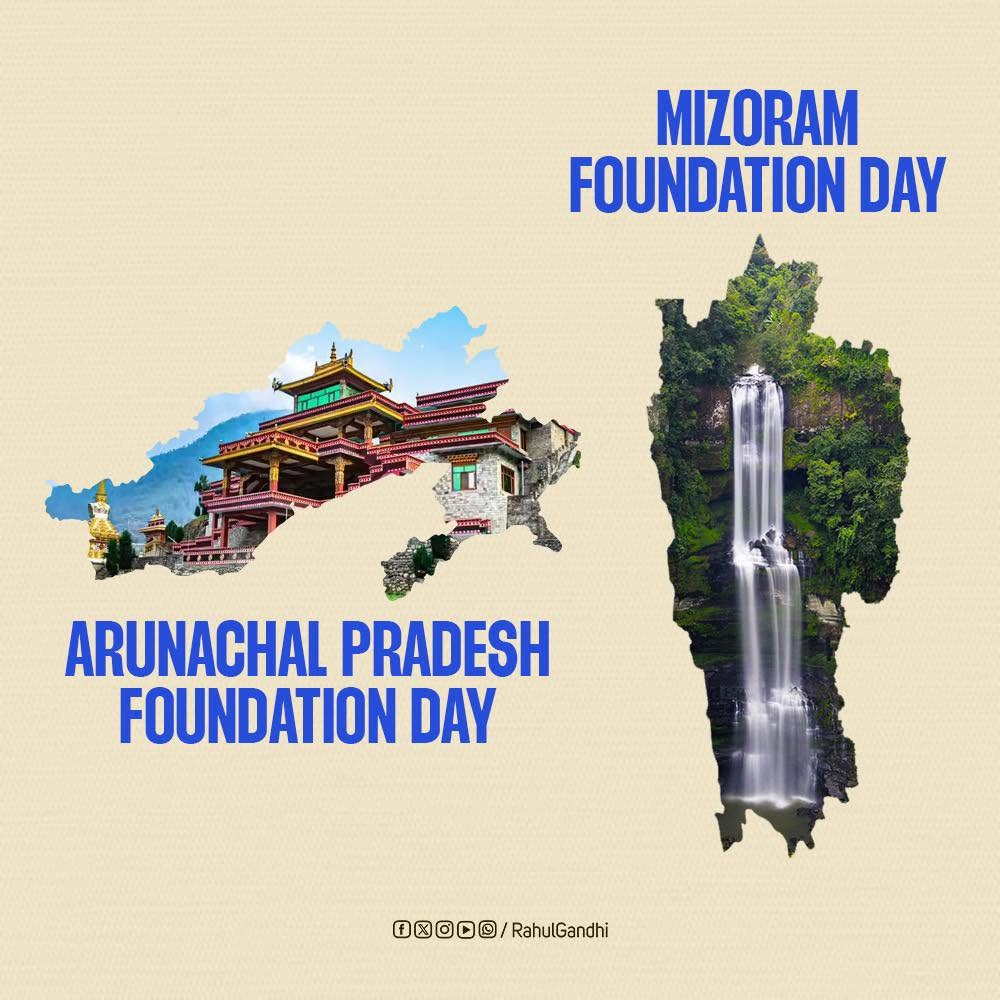
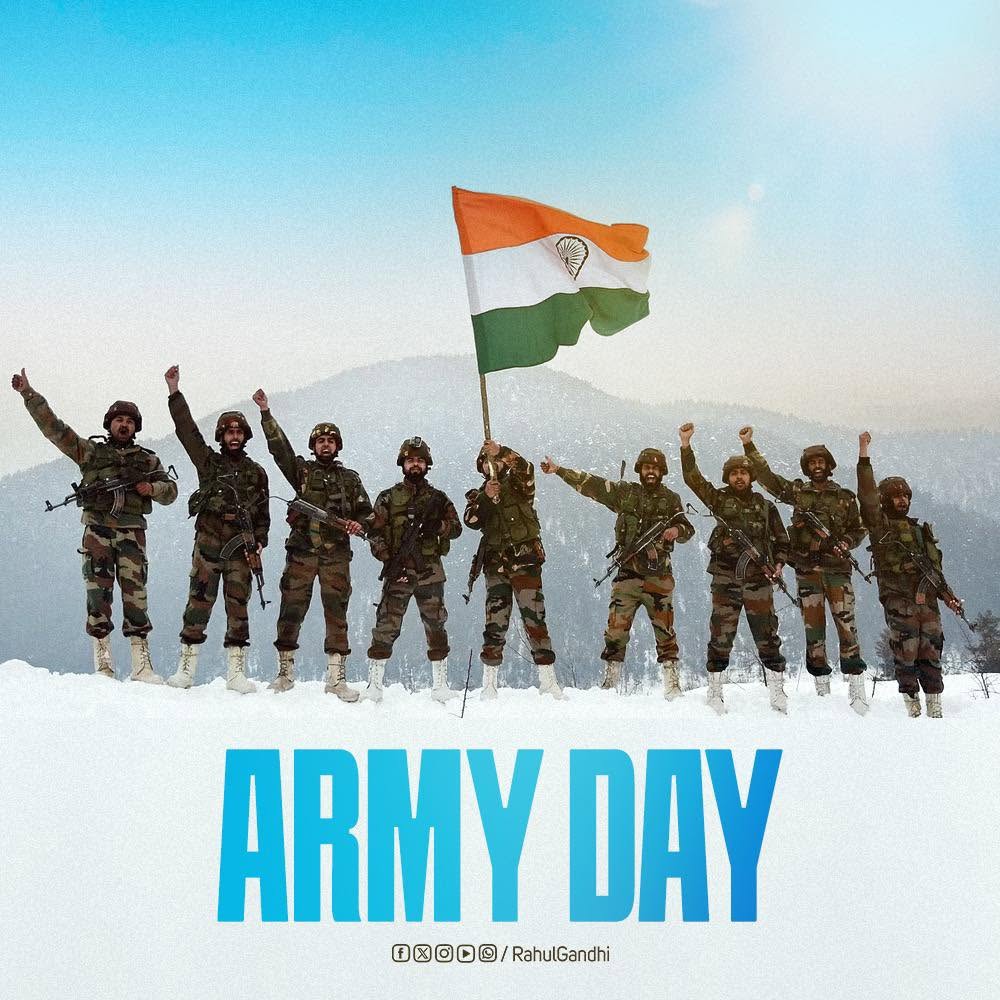
Party Activities
Born
New Delhi
Completed Bachelor's Degree
Rollins College (USA)
M.Phil Development Studies
University of Cambridge
Member of Parliament
Amethi, (Uttar Pradesh)
General Secretary
All India Congress Committee (AICC)
Vice President
Indian National Congress
Member of Parliament
Amethi (Uttar Pradesh)
President
Indian National Congress
Member of Parliament
Wayanad, (Kerala)
Member of Parliament
Raebareli