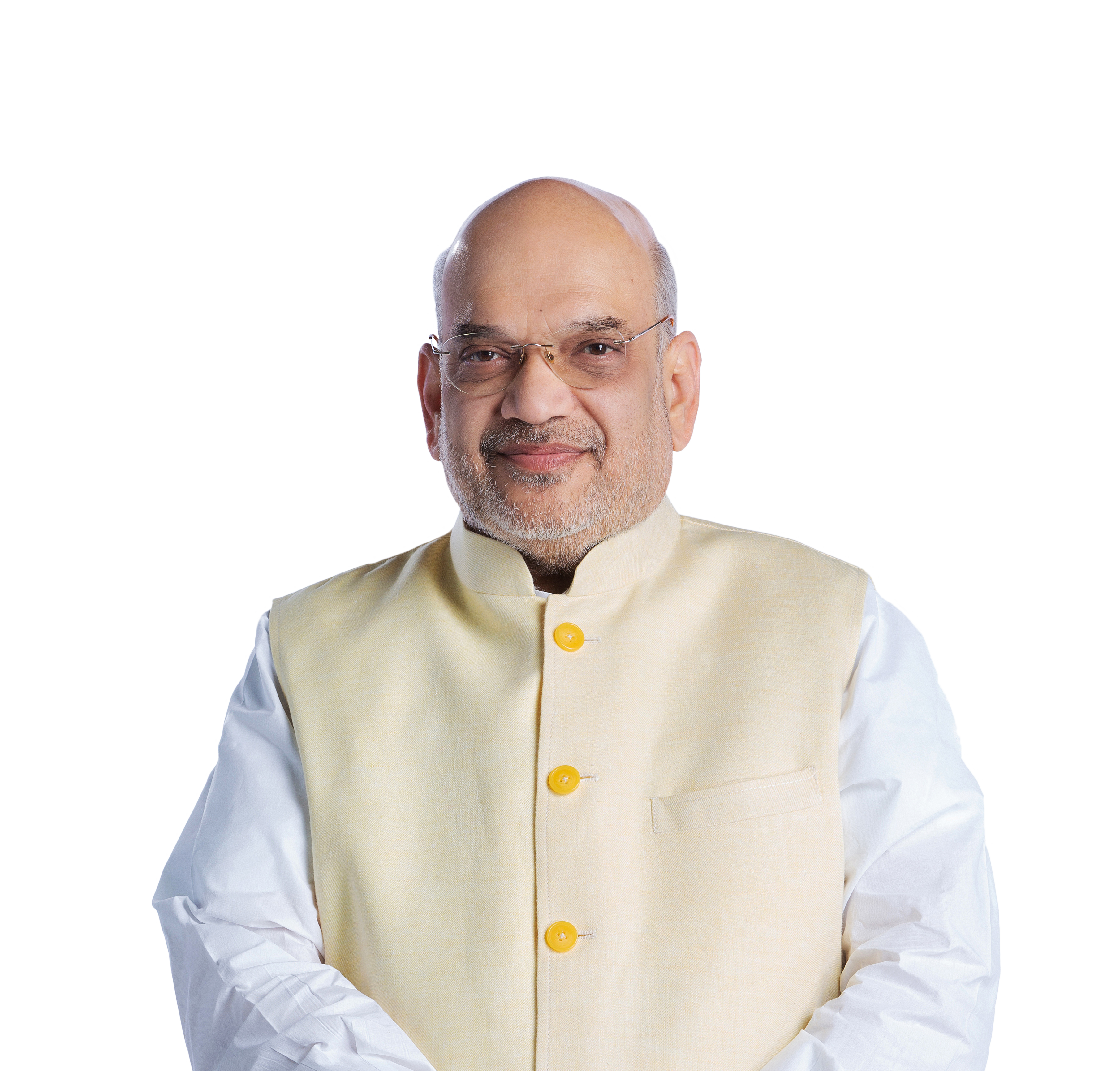

About
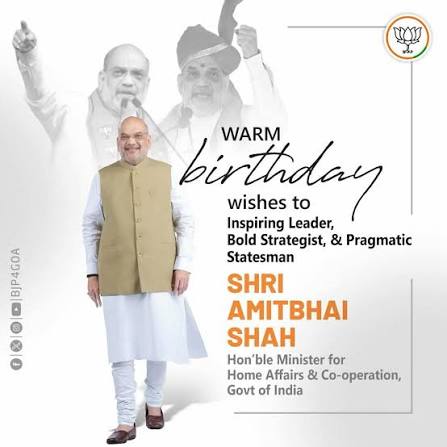
Amit Anilchandra Shah was born on 22 October 1964 in Mumbai into a Gujarati family with roots in Mansa, Gujarat. His father, Anilchandra Shah, was a businessman who ran a PVC pipe business, while his family had a longstanding association with the social and commercial life of Mansa. His great-grandfather is described as having served as the Nagarseth, or chief merchant, of the former princely state of Mansa.
Shah spent his early years in Mehsana and later moved to Ahmedabad for higher education. He studied at C.U. Shah Science College and graduated with a Bachelor of Science degree in Biochemistry. After completing his education, he worked in his family's business and was also associated with stockbroking and cooperative banking activities in Ahmedabad.
His political and organisational outlook was strongly influenced by his early association with the Rashtriya Swayamsevak Sangh (RSS). He became involved with RSS activities during his college years and was formally associated with the organisation as a volunteer. During this period, he also came into contact with Narendra Modi through the RSS network in Ahmedabad, a relationship that later became an important part of his political career.
Entry into Politics
Amit Shah's political journey began through student and organisational politics. He became associated with the Akhil Bharatiya Vidyarthi Parishad (ABVP), the student organisation affiliated with the RSS, during the early 1980s. He subsequently joined the Bharatiya Janata Party (BJP) in 1987 and became active in its youth wing, the Bharatiya Janata Yuva Morcha (BJYM).
He gradually rose through the organisational ranks, serving in a variety of responsibilities at the ward, taluka and state levels. His organisational abilities and election-management skills became increasingly prominent. One of his early significant assignments came during the 1991 Lok Sabha election, when he worked as the election campaign manager for senior BJP leader Lal Krishna Advani in Gandhinagar.
During the 1990s, Shah worked closely with Narendra Modi in Gujarat on strengthening the BJP's organisational network. Their strategy focused heavily on grassroots mobilisation, developing local leadership and expanding the party's influence beyond its traditional support base.
Rise in Gujarat Politics
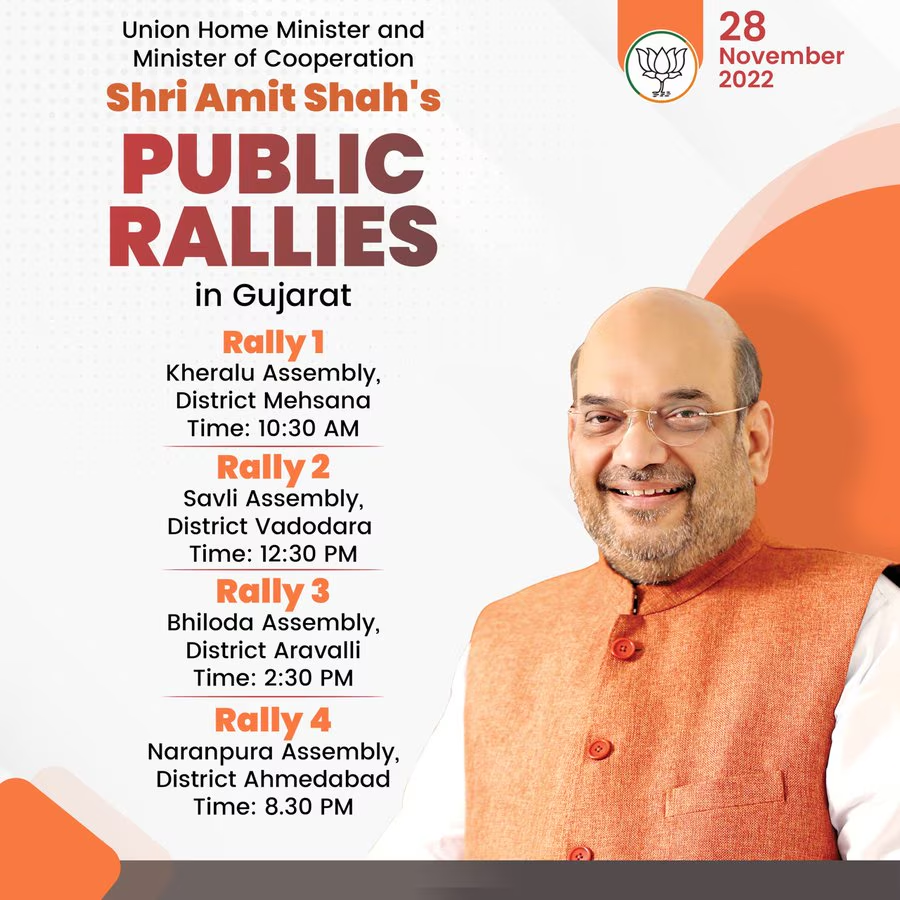
Shah entered the Gujarat Legislative Assembly through a by-election from the Sarkhej constituency in 1997 and subsequently retained the seat in the 1998 Assembly elections. He won the Sarkhej constituency again in the 2002 and 2007 Assembly elections, establishing himself as an influential political figure in Gujarat.
In 1999, he was elected chairman of the Ahmedabad District Cooperative Bank. His tenure at the institution became one of the notable phases of his organisational career, as he was credited by supporters with helping improve the bank's financial position and strengthening its administrative structure.
Shah also became involved in Gujarat's sporting and cooperative institutions. He served as president of the Gujarat State Chess Association and later became vice-president of the Gujarat Cricket Association, while Narendra Modi served as its president. After Modi became Prime Minister in 2014, Shah took over as president of the Gujarat Cricket Association.
Ministerial Career in Gujarat
Following the BJP's return to power in Gujarat in 2002, Amit Shah became one of the youngest ministers in the Narendra Modi government. He was entrusted with a wide range of portfolios, including Home, Law and Justice, Prisons, Border Security, Civil Defence, Excise, Transport, Prohibition, Home Guards, Gram Rakshak Dal, Police Housing, and Legislative and Parliamentary Affairs.
During his tenure in the Gujarat government, Shah played an important role in legislative and administrative matters. He was associated with measures concerning organised crime, religious conversion legislation, policing and internal security.
His period in Gujarat politics also coincided with significant political and legal controversies. He faced allegations in connection with the Sohrabuddin Sheikh case and other encounter-related investigations. Shah denied the allegations and maintained that the accusations were politically motivated. He was arrested in 2010 in connection with the case and was subsequently granted bail. The Supreme Court later allowed him to return to Gujarat, and in 2014 a special CBI court discharged him from the Sohrabuddin case, citing lack of sufficient evidence and political considerations surrounding the allegations.
Return to Electoral Politics
After returning to Gujarat, Shah contested the 2012 Gujarat Assembly election from the newly created Naranpura constituency following delimitation and won the seat. His political career subsequently moved from state-level leadership to national BJP politics.
A major turning point came with the 2014 Lok Sabha elections. Shah was appointed in-charge of the BJP's campaign in Uttar Pradesh, India's most politically significant state in terms of parliamentary representation. Under his organisational leadership, the BJP and its allies won 73 of the state's 80 Lok Sabha seats.
The Uttar Pradesh campaign emphasised booth-level organisation, voter outreach, candidate selection, grassroots mobilisation and extensive election management. Shah's role in the campaign significantly enhanced his national profile and established him as one of the BJP's most prominent election strategists.
BJP National President
In July 2014, Amit Shah was appointed National President of the Bharatiya Janata Party. He was subsequently re-elected to the position in January 2016.
As party president, Shah placed strong emphasis on organisational expansion and membership growth. The BJP conducted a major nationwide membership campaign during his tenure, with the party reporting a substantial increase in its membership.
Under his leadership, the BJP recorded important electoral victories in several states, including Maharashtra, Haryana, Jharkhand and Assam, while also experiencing defeats in states such as Delhi and Bihar. The party achieved significant victories in the 2017 Uttar Pradesh and Uttarakhand Assembly elections and made substantial gains in several northeastern states.
The BJP also retained power in Gujarat in the 2017 Assembly election and expanded its political presence in Tripura, Nagaland and Meghalaya. Although the party experienced setbacks in Chhattisgarh, Rajasthan and Madhya Pradesh in 2018, Shah's organisational strategy remained focused on expanding the BJP's national footprint.
2019 General Election and National Leadership
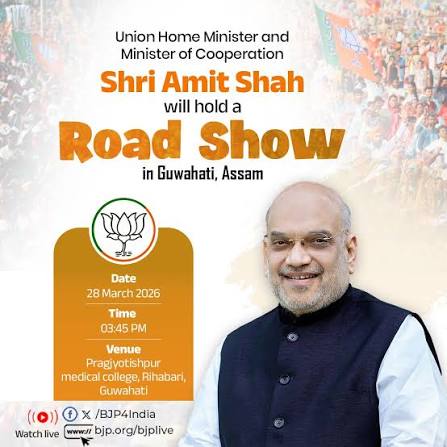
The 2019 Lok Sabha election became one of the defining moments of Shah's career as BJP president. He led an extensive nationwide campaign, travelling across numerous parliamentary constituencies and conducting rallies, public meetings, roadshows and organisational programmes.
The BJP won 303 seats on its own in the 2019 general election, securing a clear parliamentary majority. The result established Shah as one of the most successful national presidents in the BJP's history and strengthened his reputation as a powerful election strategist and organisational leader.
His political style has often been associated with detailed booth-level planning, large-scale membership campaigns, disciplined party organisation and extensive election management. He has frequently been described by supporters and political observers as a key strategist behind the BJP's expansion during the 2010s.
Union Cabinet and Ministry of Home Affairs
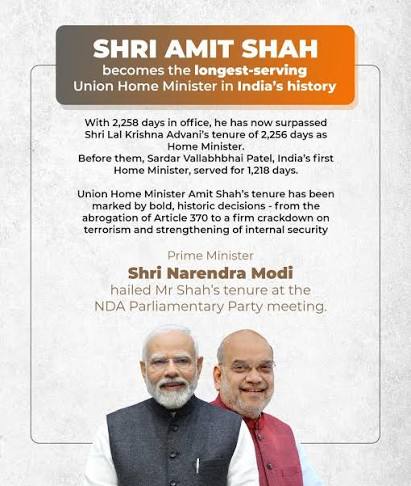
After the BJP's victory in the 2019 general election, Amit Shah entered the Union Cabinet. He took oath as a Cabinet Minister on 30 May 2019 and assumed charge as India's Minister of Home Affairs shortly thereafter.
As Home Minister, Shah has been associated with several major legislative and policy decisions concerning internal security, Jammu and Kashmir, citizenship, criminal law and national administration.
One of the most significant decisions during his tenure came in August 2019, when the government introduced measures concerning Article 370, leading to the reorganisation of the former state of Jammu and Kashmir into the Union Territories of Jammu and Kashmir and Ladakh.
Shah has also been a prominent advocate of strengthening internal security and modernising India's criminal justice and policing framework. During his tenure, the government introduced legislation aimed at replacing several colonial-era criminal laws and updating procedures relating to criminal identification and investigation.
Minister of Cooperation
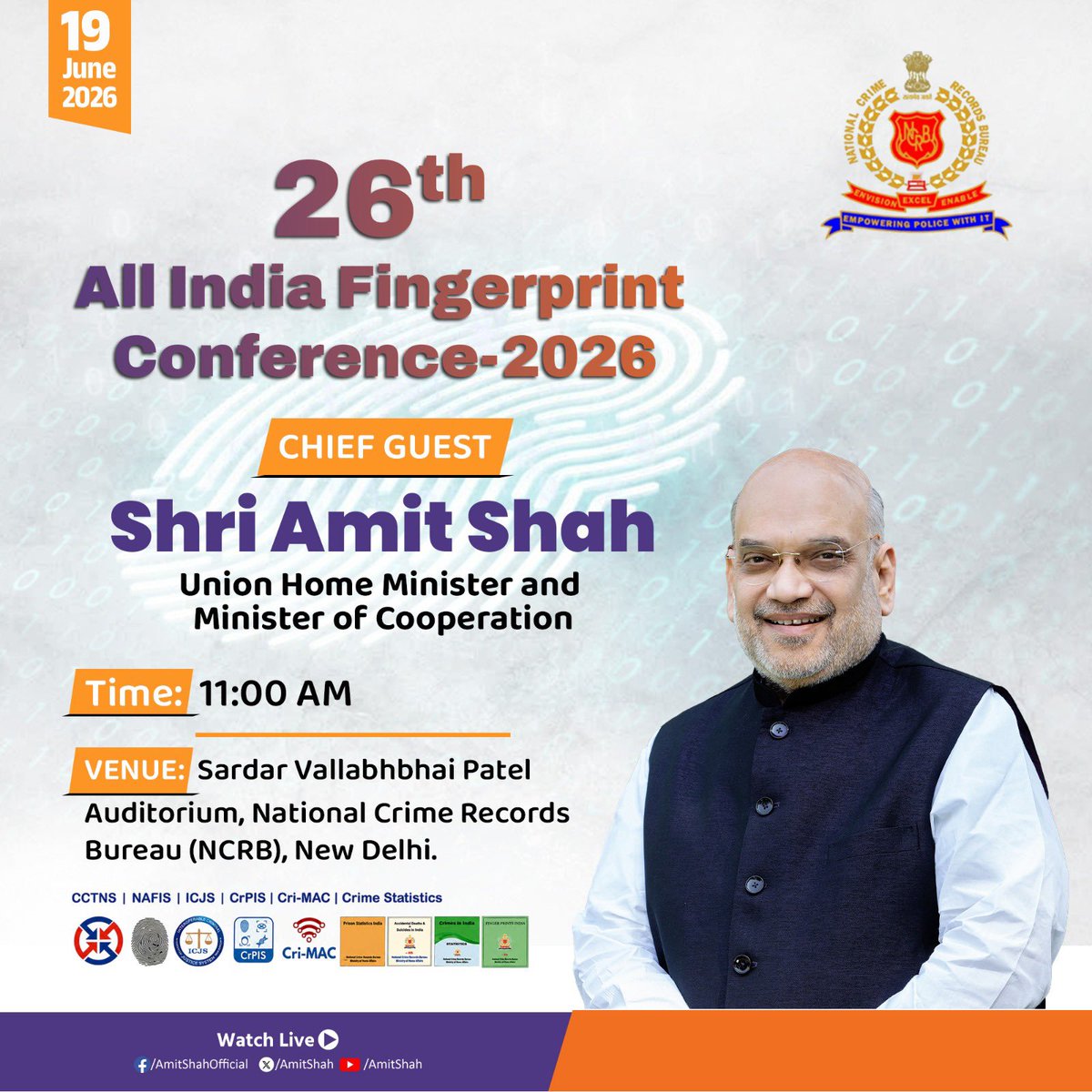
In July 2021, Amit Shah became India's first Union Minister of Cooperation following the creation of the Ministry of Cooperation. The ministry was established with the stated objective of strengthening India's cooperative sector, improving cooperative institutions and promoting cooperative-led economic development.
The portfolio added another major area of responsibility to his role in the Union government and reflected his longstanding association with cooperative institutions, particularly from his political career in Gujarat.
Political Leadership and Present Role
Amit Shah has emerged as one of the most influential leaders in contemporary Indian politics. His political career has developed from student and grassroots organisational work to state-level leadership, ministerial responsibility, national party leadership and senior Union Cabinet positions.
His close political association with Prime Minister Narendra Modi has remained a defining feature of his career. Together, they played a significant role in building the BJP's organisational structure in Gujarat before extending their political strategy to the national level.
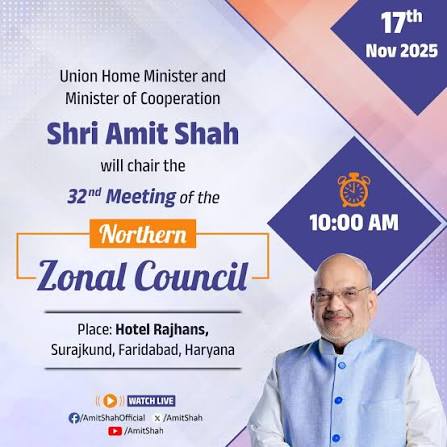
As Minister of Home Affairs and Minister of Cooperation, Shah continues to occupy a central position in the Union government. His responsibilities encompass internal security, policing, national administration, citizenship-related matters, cooperative-sector development and several other areas of national policy.
Overall, Amit Shah's political journey reflects a progression from grassroots organisational activism and student politics to electoral leadership, state governance, national party organisation and Union Cabinet responsibility. His career has been marked by an emphasis on organisational expansion, election strategy, political mobilisation and strengthening the BJP's presence across different regions of India.
Party Activities


Born
Mumbai
Became Associated
Joined RSS & ABVP
Joined
Bharatiya Janata Party (BJP)
Worked In Election Campaign
Lal Krishna Advani (BJP)
Gujarat Legislative Assembly
Bharatiya Janata Party (BJP)
Minister Gujarat Government
Bharatiya Janata Party (BJP)
MLA
Gujarat Assembly (Naranpura)
National President
Bharatiya Janata Party (BJP)
Union Cabinet Minister
Home Affairs.
Minister of Cooperation
Minister of Home Affairs