Will River Water Disputes Deepen the Congress–BRS Faceoff in Telangana,
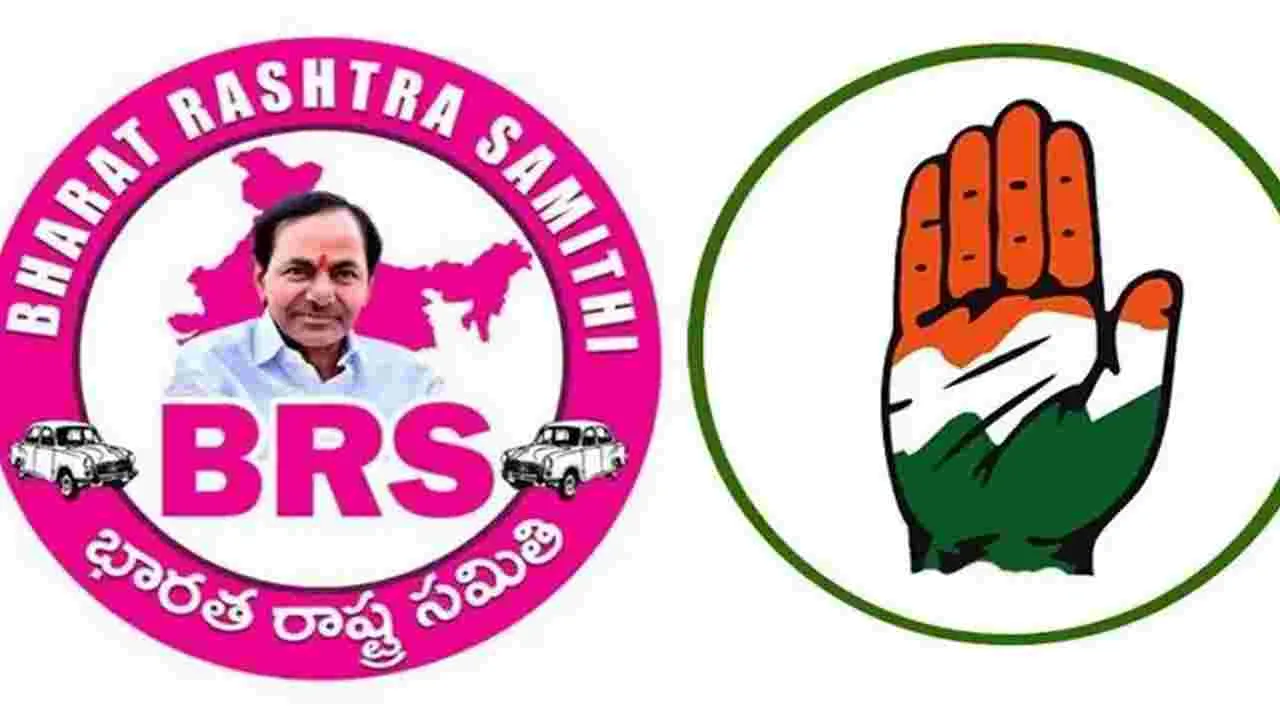
Congress and BRS lock horns in Telangana over river water sharing, governance claims, and political accountability as Assembly debates and public mobilization intensify.
Political temperatures in Telangana remain high as the ruling Congress and the opposition Bharat Rashtra Samithi continue to clash over governance and river water management. The Winter Session of the Assembly, which began on December 29, opened with brief cordial exchanges when Chief Minister A. Revanth Reddy greeted former CM K. Chandrashekar Rao, who made a short appearance after a long gap before leaving the House.
Despite the courteous start, sharp political lines remain firmly drawn. The BRS has accused the Congress government of failing to safeguard Telangana’s share in Krishna river waters and announced plans to take the issue to the public through meetings in Mahabubnagar, Rangareddy, and Nalgonda districts. A full-fledged debate on Krishna and Godavari river sharing is scheduled in the Assembly on January 2 and is expected to be contentious.
The Congress, meanwhile, is preparing a detailed rebuttal, alleging lapses during the previous BRS administration. Irrigation Minister N. Uttam Kumar Reddy is set to lead the government’s response. On the Assembly floor, the BRS has also raised concerns related to police personnel, including pending dues, prompting partial releases by the government.
Parallel to legislative sparring, political pressure continues from ongoing legal and investigative matters, including the Formula E case involving K. T. Rama Rao and the phone-tapping probe. While the Congress is highlighting its two-year record in office, the opposition maintains that welfare delivery and law-and-order have deteriorated.
Analysis: Water politics has once again emerged as the central fault line in Telangana, carrying direct implications for farmers and urban supply. How effectively each side communicates its claims—inside the Assembly and on the ground—could shape public opinion in the run-up to future elections