Will More Tehsildars Ease Telangana’s Growing Towns?
Telangana plans to post extra tehsildars in high-population towns after Cabinet clearance. Here’s why the move could change local administration.
Hyderabad saw a key administrative announcement on January 11 when Revenue Minister Ponguleti Srinivas Reddy revealed plans to strengthen the tehsildar system in densely populated towns across Telangana. The move aims to address the strain faced by revenue offices in urban pockets where just one officer is handling lakhs of residents.
The Minister explained that several towns with populations between 1.5 lakh and 2 lakh are currently being managed by a single tehsildar, a situation he described as impractical. He said the issue will be placed before the Cabinet, after which additional tehsildars will be posted wherever the workload is excessive.
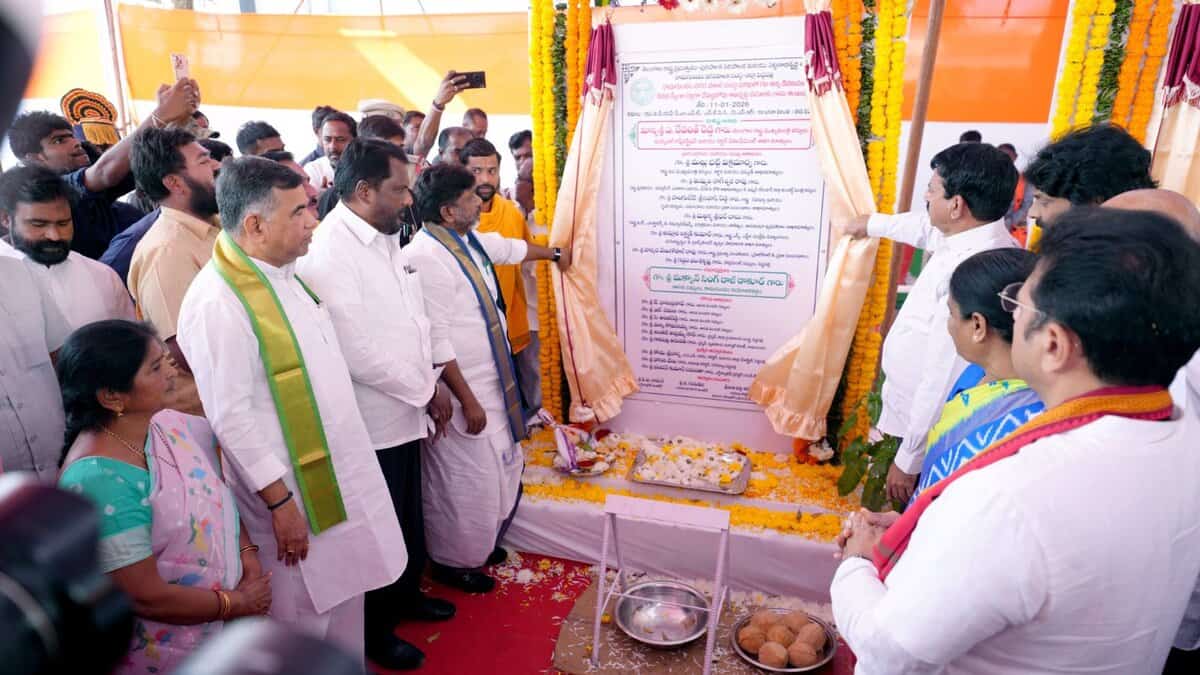
Reddy made these remarks while handing over sanction letters under the Indiramma Indlu housing scheme in Peddapalli and launching multiple development works in the district. As reported by Hans India (as cited in the original content), he also claimed that recent Congress victories in Cantonment, Jubilee Hills and Sarpanch polls reflect public approval of the government’s welfare-centric policies.
Turning political, the Minister criticised BRS Working President KT Rama Rao, dismissing his confidence about winning the upcoming municipal elections. He further alleged that the previous BRS regime prioritised commissions in the Kaleshwaram project over housing for the poor. Reddy also highlighted current welfare steps, including superfine rice distribution and free bus travel for women, asserting that the Congress government stands apart from its predecessor.
If implemented, adding more tehsildars could significantly reduce delays in land records, certificates and grievance redressal for urban residents. For citizens in fast-growing towns, this may mean fewer trips to revenue offices and quicker service delivery. Politically, the announcement also signals that administrative reform is being positioned as a key plank ahead of municipal elections, where local governance often becomes a decisive voter issue.