West Asia War Escalates: Indian Injured in Abu Dhabi Amid Missile Interceptions
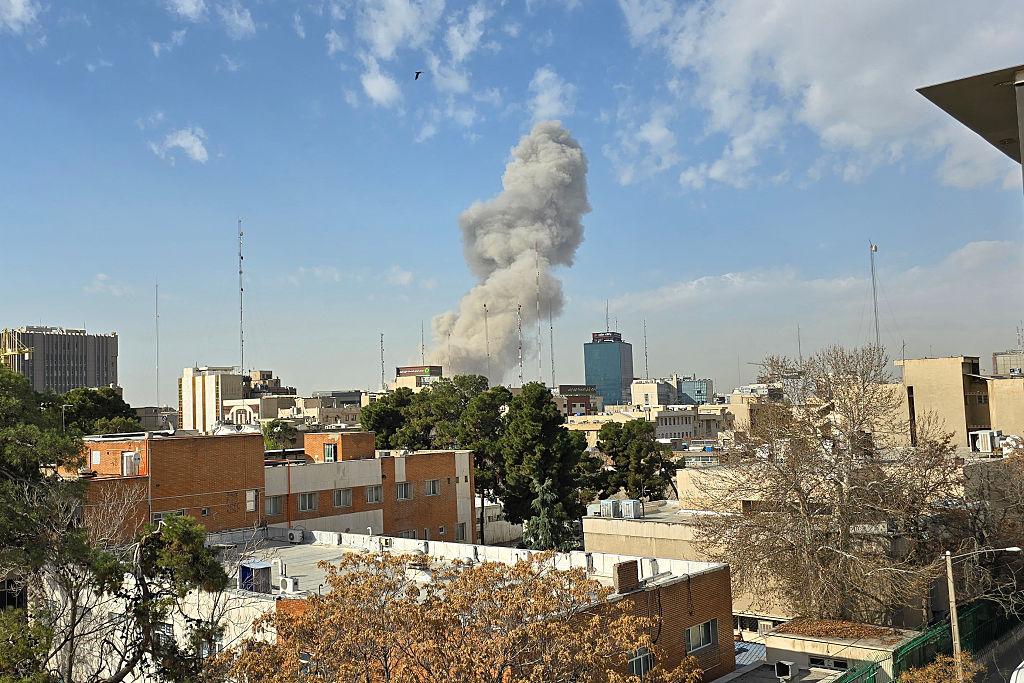
An Indian national was injured in Abu Dhabi as Iran’s missile strikes intensify in the ongoing US-Israel conflict, raising fears of wider regional escalation.
The ongoing conflict involving the United States, Israel and Iran has intensified, with missile exchanges continuing across the region and fresh concerns emerging over civilian safety and global energy supplies.
In a spillover incident, an Indian national sustained minor injuries in Abu Dhabi after debris from an intercepted ballistic missile fell in a residential area. Authorities said the incident occurred following defensive action against a missile targeting the UAE capital.
Iran launched another round of strikes towards Israel, while Hezbollah targeted areas in the north. Israeli authorities reported that a majority of incoming projectiles were intercepted, though some caused damage and injuries. At the same time, Iranian media reported explosions in multiple parts of Tehran, indicating retaliatory action.
The conflict has expanded beyond the immediate war zone, with Gulf nations including Saudi Arabia, Kuwait and the UAE activating air defence systems to intercept drones and missiles. Sirens were also reported in Bahrain, reflecting the widening geographic spread of hostilities.
The humanitarian and economic toll is growing. Israeli health officials reported thousands treated for injuries since the conflict began, while the World Health Organisation warned of risks linked to strikes near sensitive sites, including nuclear facilities.
Meanwhile, tensions around the Strait of Hormuz a critical global energy corridor—have pushed oil prices sharply higher, with Brent crude crossing $113 per barrel. Concerns over disrupted supply chains have prompted adjustments in global oil shipments and heightened volatility in energy markets.
The situation remains fluid, with military operations continuing and no immediate signs of de-escalation. For countries like India, the developments carry both economic implications—through fuel prices—and safety concerns for citizens living in the Gulf region.