Telangana Seeks Higher Fiscal Deficit Limit From Centre for Faster Growth
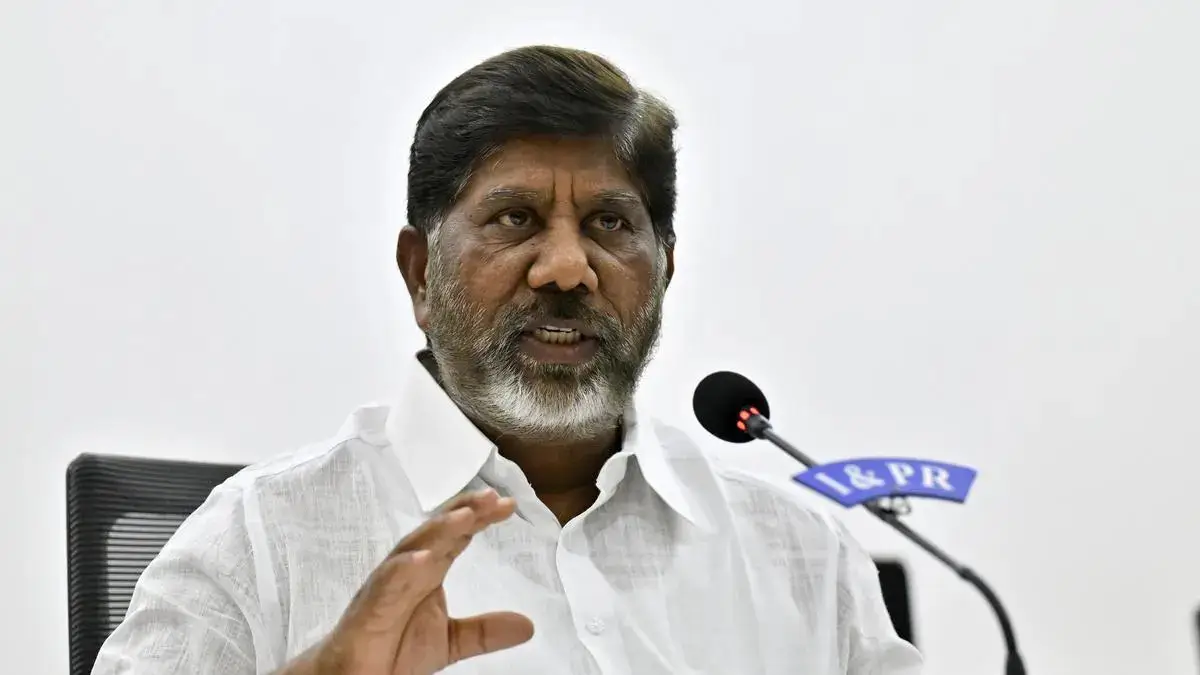
Telangana Deputy CM Mallu Bhatti urges the Centre to raise states’ fiscal deficit cap to 4% and convert loans into grants to support long-term development goals.
At a pre-Budget meeting in New Delhi, Telangana Deputy Chief Minister Mallu Bhatti Vikramarka called on the Union government to relax the fiscal deficit ceiling for states, arguing that stronger public spending is needed to drive long-term growth. He proposed lifting the cap to at least 4 per cent of a state’s Gross State Domestic Product, higher than the present norm of around 3.5 per cent.
Bhatti told Union Finance Minister Nirmala Sitharaman that Telangana wants to scale up investment in infrastructure and development to meet its future economic targets. For that, he said, states must have more room to borrow and spend, especially if they are expected to play a major role in the national growth story.
The Deputy CM also urged the Centre to convert the 50-year interest-free loans given to states into outright grants and to increase the total assistance available. According to him, such a move would reduce the debt burden on states and allow them to focus more resources on welfare and capital projects.
He pointed out that a large portion of the Union government’s spending already goes into areas handled by states. Redirecting more funds directly to states, he argued, would lead to better targeting of local needs and faster delivery of public services.
Bhatti raised concerns that rising cesses and surcharges are shrinking the actual share of central taxes reaching states, despite finance commission recommendations. He also cautioned that future GST rate cuts could weaken state revenues unless a proper compensation system is put in place.
If the Centre accepts Telangana’s proposal, states could get greater financial flexibility to invest in roads, schools, healthcare and jobs. For citizens, that could mean faster development at the local level. However, higher borrowing limits also require careful fiscal discipline, so states must ensure funds are used efficiently rather than adding to long-term debt.