Telangana Cabinet Clears Way for Municipal Elections Across State
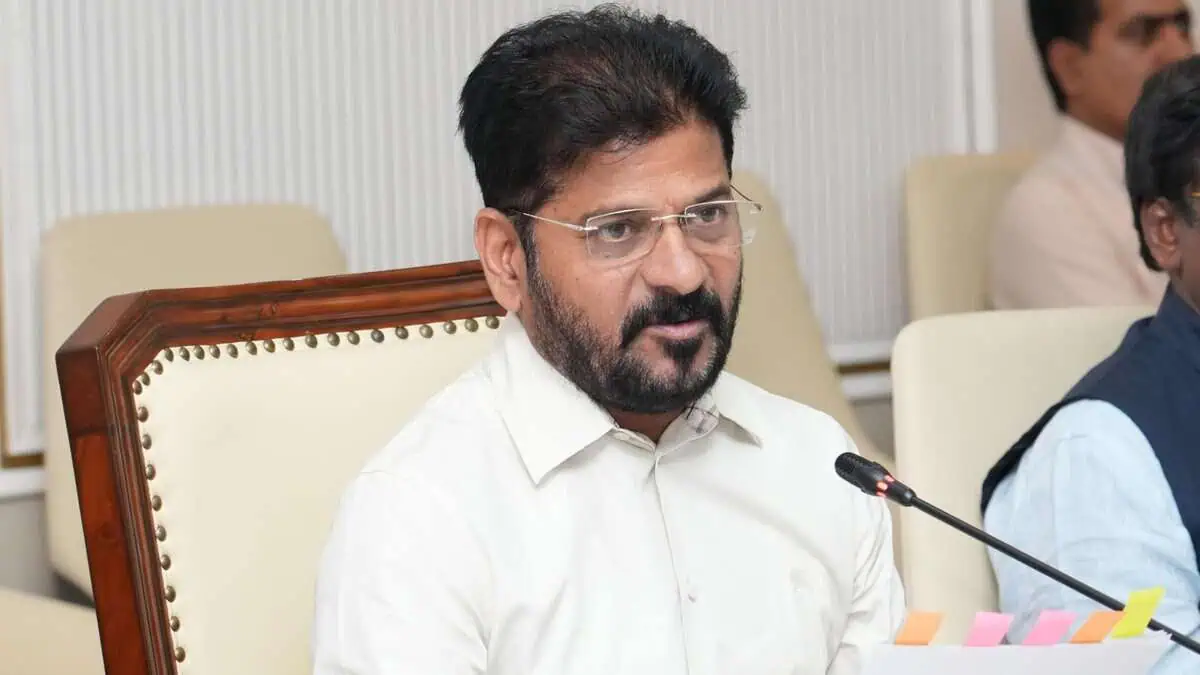
Telangana Cabinet approves municipal elections for 116 municipalities and seven corporations, alongside key decisions on Metro expansion and Medaram development.
The Telangana government has formally moved a step closer to urban local body polls, with the state Cabinet on January 18 approving the conduct of municipal elections across 116 municipalities and seven municipal corporations. The decision was taken at a Cabinet meeting chaired by A. Revanth Reddy, marking the first time such a meeting was held outside Hyderabad.
According to ministers who briefed the media, elections will cover 2,996 wards and divisions, with the Cabinet agreeing that polling should be held at the earliest since the terms of these bodies have already ended. The approval comes days after the government finalised reservations for various categories, clearing a major procedural hurdle.
The meeting, held at Medaram in Mulugu district ahead of the Medaram Jatara, also addressed a range of development issues. Ministers Ponguleti Srinivas Reddy, Danasari Anasuya (Seethakka) and Komatireddy Venkat Reddy said the Cabinet approved land allotments to government institutions at multiple locations and discussed preparations for Godavari Pushkaralu, scheduled in 2027, with a focus on permanent infrastructure.
Among major infrastructure decisions, the Cabinet sanctioned ₹2,787 crore for Hyderabad Metro Phase-II (A and B) and reviewed issues related to Phase-I, which the state has decided to take over from L&T. It also approved plans to develop a temple circuit from Basar to Bhadrachalam, with a consultancy report expected by mid-February.
Following the meeting, the Chief Minister attended cultural programmes at Medaram and said the state intends to organise the Medaram Jatara on the scale of the Kumbh Mela, highlighting completed development works at the tribal shrine.
The Cabinet’s clearance removes uncertainty around long-pending municipal polls, giving political parties and aspirants clarity on timelines. Holding the meeting at Medaram also signals the government’s effort to link governance with cultural and tribal outreach. For urban voters, the elections will be a direct test of civic service delivery after years of administrative extensions rather than elected councils