Telangana Cabinet Approves Bill to Safeguard 4.2 Lakh Gig Workers, Sets Up Welfare Board
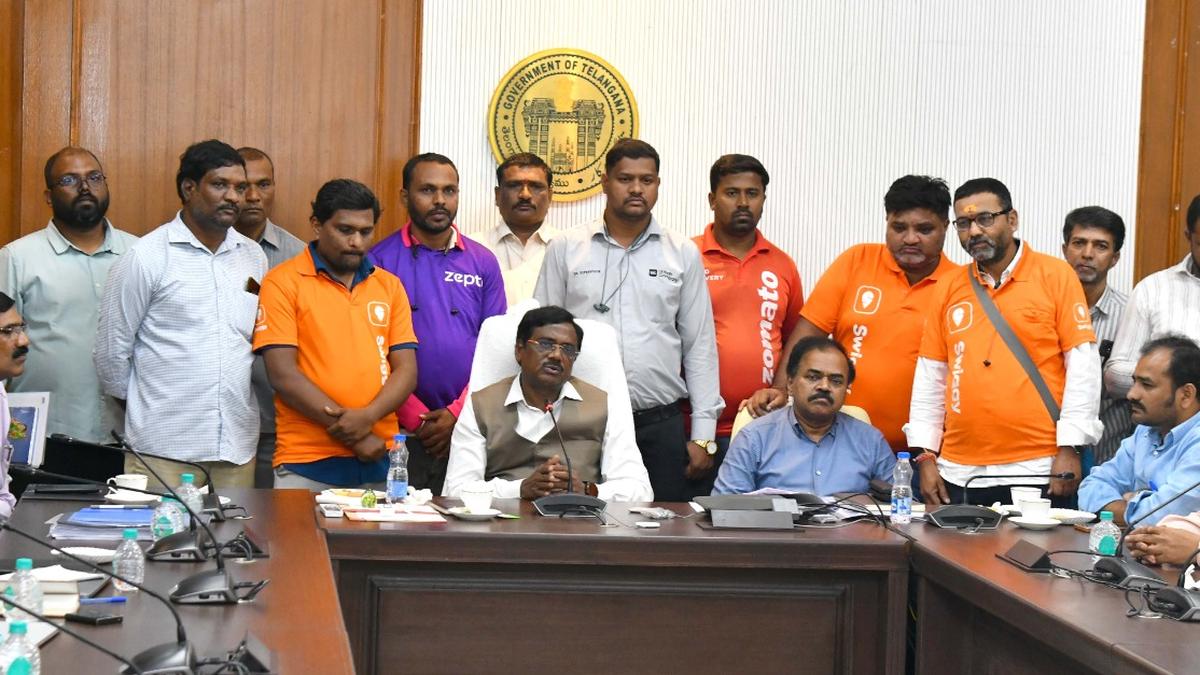
The Telangana Cabinet has cleared a landmark bill to register and protect gig and platform workers by establishing a welfare board and fund. The legislation aims to ensure social security, fair treatment, and accident insurance for over 4.2 lakh workers across sectors like transport and delivery.
Telangana Clears Landmark Bill to Secure Rights of Gig Workers
In a move poised to impact lakhs of delivery, transport and platform-based workers, the Telangana Cabinet on Monday approved the Gig Platform Workers Registration, Social Security and Welfare Bill. The decision, led by Chief Minister A. Revanth Reddy, marks a pivotal step towards regulating the gig economy and providing long-awaited social protections.
Labour Minister Gaddam Vivek Venkataswamy announced that the bill will be tabled in the upcoming Assembly session. Once passed, it will mandate gig worker registration by aggregators and establish a tripartite board with representatives from workers’ unions, service platforms and the government to oversee implementation.
Key provisions include a dedicated welfare fund and structured monitoring of worker rights, safety and insurance. The legislation aims to support nearly 4.2 lakh gig workers employed in food delivery, ride-sharing and logistics services across Telangana.
This initiative reflects a shift in policy attention towards informal labour, often left outside the ambit of traditional labour laws. If implemented effectively, it could serve as a national template, offering practical protection without disrupting aggregator operations.
Industry observers suggest that balancing platform viability with worker welfare will be crucial. With accident insurance of ₹5 lakh already in place since last year, Telangana is positioning itself as a leader in supporting a workforce driving urban convenience and entrepreneurship.
As the Assembly prepares to debate the bill, workers and unions see this as a long-awaited opportunity for recognition and security in an increasingly digital economy.