Rupee Sinks to Record ₹90.21 as Oil Cuts and Global Volatility Fuel Market Anxiety
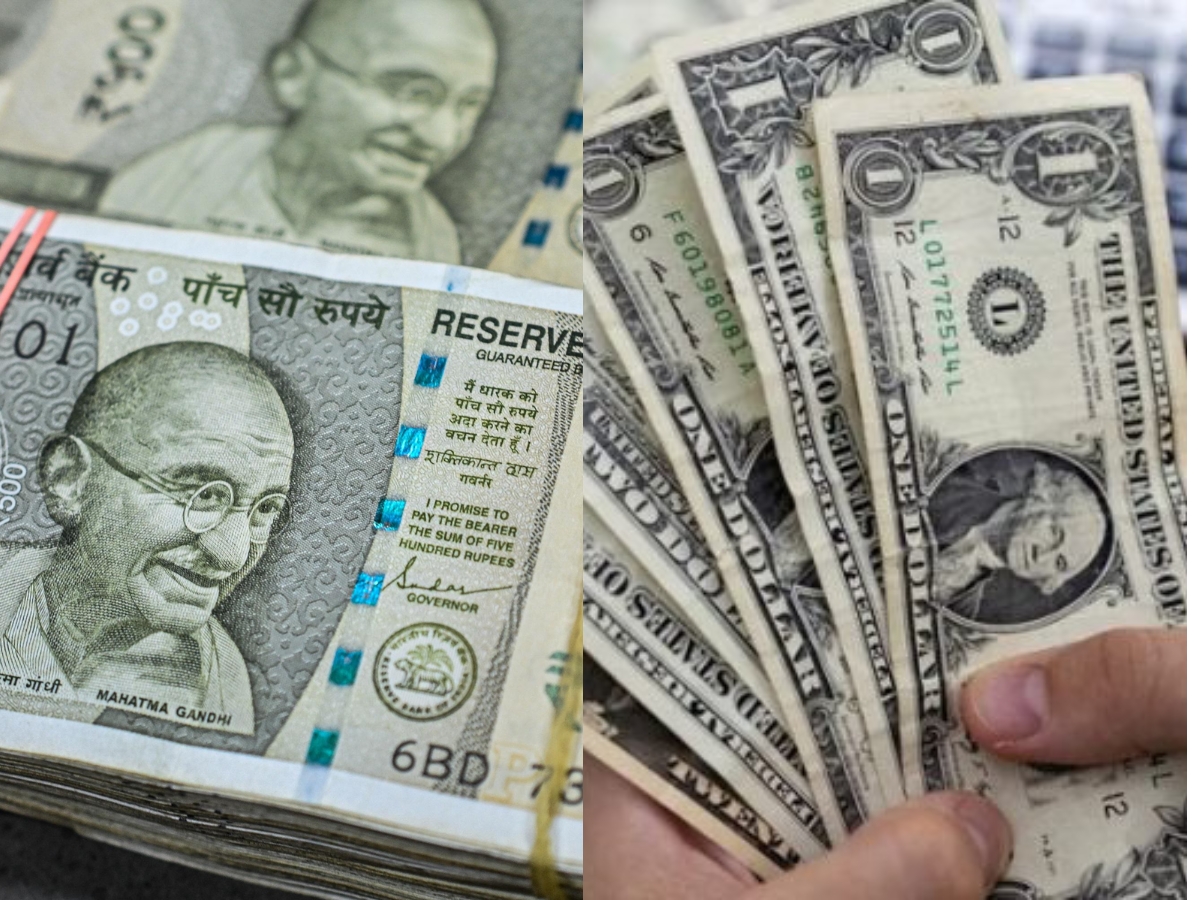
The rupee hits a historic low of ₹90.21 amid rising crude prices, reduced Russian oil imports and foreign outflows. Sitharaman assures no new cess on essentials as markets debate policy direction.
Rupee Falls to Historic ₹90.21, Hit by Oil Supply Cuts and Global Uncertainty
The Indian rupee slid to a new record low of ₹90.21 against the US dollar, pressured by persistent foreign investor outflows, firm crude oil prices and a sharp 38% decline in Russian oil imports as per October data. The currency’s fall comes at a time when global tensions and supply disruptions have heightened volatility across emerging markets.
Finance Minister Nirmala Sitharaman moved quickly to calm nerves, clarifying that the government has no plans to impose additional cess on essential goods. However, this did little to soothe market sentiment, with traders pointing to weak risk appetite and India’s heavy dependence on imported energy as key vulnerabilities.
On social media platform X, #RupeeLow dominated conversations, with users sparring over accusations of economic “policy paralysis” versus claims that the Modi government’s reforms remain intact. Memes mocking India’s import reliance also went viral.
Amid the turbulence, the RBI released its National Strategy for Financial Inclusion (NSFI) 2025–30, aiming to expand access to digital payments, credit and insurance—a long-term structural push at a moment of short-term currency stress.
In a contrasting signal, CRISIL revised India’s FY26 GDP growth forecast upward to 7%, suggesting underlying economic resilience despite currency pressures. Investors now turn their attention to the RBI’s Monetary Policy Committee, hoping for cues on potential rate cuts to support growth.
The rupee’s slide underscores India’s exposure to global energy shocks, especially as discounted Russian oil flows tighten. While the weakening currency may aid exports in select sectors, the broader impact—costlier imports, inflation risks and tighter financial conditions—remains a challenge. Timely policy coordination between fiscal and monetary authorities will be crucial to stabilising sentiment and shielding the economy from further volatility.