Rahul Gandhi Questions US–India Trade Deal in Lok Sabha, Sparks Heated Exchange
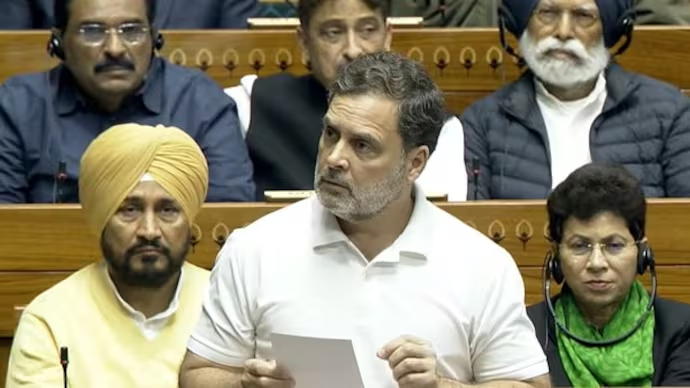
During the Union Budget debate, Rahul Gandhi criticised the interim US–India trade agreement, alleging unequal terms and external pressure, triggering sharp protests in the Lok Sabha.
New Delhi: The Union Budget debate in the Lok Sabha turned contentious on February 11 after Leader of the Opposition Rahul Gandhi launched a sharp critique of the interim trade agreement between India and the United States announced on February 6.
Gandhi alleged that the tariff relief offered on Indian exports, including sectors such as textiles, was linked to conditions relating to India’s energy imports. He claimed the terms appeared uneven, arguing that India had reduced duties on American goods without securing complete reciprocity. He also drew comparisons with Bangladesh, stating that it enjoys zero-duty access on similar products.
The Congress leader further suggested that external pressures may have influenced the negotiations, a claim that drew immediate objections from Treasury bench members. BJP MPs described his remarks as misleading and politically motivated, prompting protests inside the House. Portions of his speech were later expunged, and a privilege motion was reportedly initiated.
The government, meanwhile, has maintained that the agreement strengthens India’s access to one of the world’s largest markets and enhances strategic economic cooperation.
Analysis: Trade agreements often become flashpoints in Parliament, especially when they intersect with issues of sovereignty and economic security. While the government frames the deal as a strategic gain, the Opposition’s criticism reflects broader concerns about transparency and balance in international negotiations. The political reverberations are likely to continue as more details of the framework emerge. This assessment reflects analytical opinion; all factual details above are drawn from the original content.