Owaisi Criticises PM Modi’s ‘Wounds Healing’ Remark, Calls December 6 a ‘Black Day’
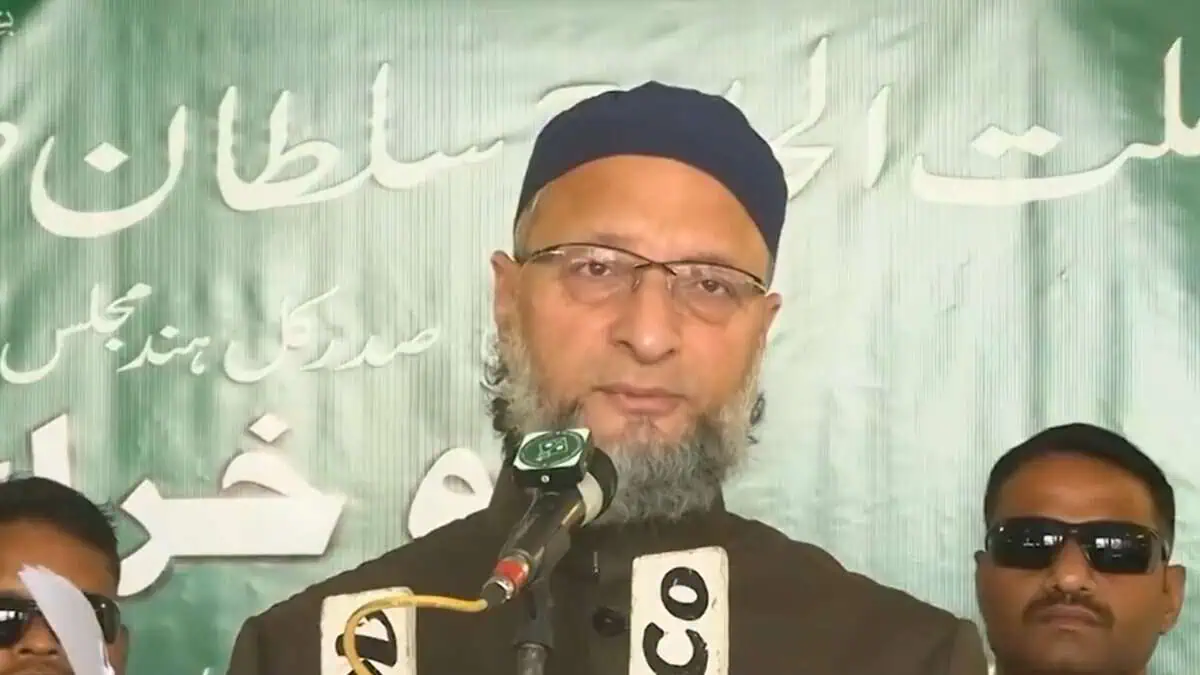
AIMIM chief Asaduddin Owaisi questions PM Modi’s Ayodhya comments on “centuries-old wounds healing,” citing the Supreme Court’s findings in the Babri Masjid case. Calls December 6 a Black Day and warns against linking nationhood to any one religion.
Owaisi Rebuts PM Modi’s Ayodhya Remarks, Says Dec 6 Demolition Weakened Rule of Law
Hyderabad: AIMIM president Asaduddin Owaisi on Saturday strongly objected to Prime Minister Narendra Modi’s recent statement in Ayodhya that “wounds of 500 years are healing.” Speaking at an event in Hyderabad, Owaisi questioned the basis of the remark, pointing to the Supreme Court’s own observation that there was no evidence the Babri Masjid was constructed after demolishing any temple.
Owaisi argued that the “real wound” was the demolition itself on December 6, 1992, calling it a moment that “weakened the Constitution and the rule of law.” He described the day as a Black Day, placing it alongside other national tragedies such as Mahatma Gandhi’s assassination and the violence that followed former PM Indira Gandhi’s killing.
He further criticised the Ram Janmabhoomi verdict, claiming it was based on faith rather than evidence, and reminded that the Places of Worship Act had been upheld as part of the Constitution’s basic structure. He also referenced statements by a retired judge involved in the Ayodhya verdict, who had later described the demolition of the original structure as “painful.”
Owaisi reiterated that India “belongs to all religions,” cautioning that claiming it for one community would dishonour the sacrifices of Hindus, Muslims, Sikhs and others who fought for independence. He also raised questions about why the Centre did not appeal the acquittal of the accused in the Babri demolition case.
Earlier in the day, Owaisi distributed educational guidebooks to 8,000 Urdu-medium students as part of an initiative by the Majlis Charities Educational and Relief Trust.
Owaisi’s remarks highlight the persistent political sensitivity surrounding Ayodhya, even as the Ram Temple nears completion. His comments reflect concerns among sections of minorities about historical narratives being reshaped and the implications for secularism. With the PM framing Ayodhya as a moment of civilisational closure and national renewal, Owaisi’s criticisms underline the polarised interpretations of the same event.
For Telangana, where Owaisi’s influence is significant, such interventions may also shape local political conversations around identity, justice and constitutional values.