Karnataka Cabinet Clears Peripheral Ring Road, Renames It ‘Bengaluru Business Corridor
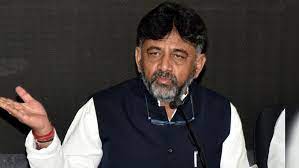
The Karnataka government approves the long-pending Peripheral Ring Road, now called the Bengaluru Business Corridor, with a new land compensation model and development benefits for landowners.
In a major infrastructure push for the state capital, the Karnataka Cabinet has approved the long-delayed Peripheral Ring Road (PRR) project, which will now be known as the Bengaluru Business Corridor (BBC). The decision was finalized during the Cabinet meeting held on Thursday.
Deputy Chief Minister D.K. Shivakumar, who oversees Bengaluru’s development, announced that the government has revived the project after years of uncertainty. The 117-kilometre road stretching from Tumakuru to Electronic City had been stuck in limbo despite multiple notifications issued in the past.
Shivakumar clarified that while earlier administrations had not made any provision for land compensation, the current government has devised several alternatives to ensure fairness for landowners. Of the 100-metre notified width, only 65 metres will be used for the main road, while 35 metres will be returned to land losers for commercial use. Depending on preference, farmers can also opt for residential usage or cash compensation for up to half an acre.
Those unwilling to accept direct payment will receive Transferable Development Rights (TDR) or land from the Bangalore Development Authority (BDA). The state will also offer Floor Area Ratio (FAR) benefits to those choosing development-based compensation. The ₹27,000 crore project will be implemented by the BDA and is expected to be completed within two years.
“The project won’t just ease traffic it will redefine the city’s outer growth,” said Shivakumar, emphasizing that the new model could reduce costs by nearly ₹10,000 crore while supporting equitable land development.
Analysis: Renaming the Peripheral Ring Road as the Bengaluru Business Corridor signals a shift in focus from mere connectivity to economic expansion. The revised compensation model — blending land, TDR, and commercial options — may serve as a blueprint for future urban projects where acquisition disputes have long delayed infrastructure. For Bengaluru’s residents and industries, the project promises to relieve congestion, attract investment, and reshape the city’s periphery into a dynamic growth zone