India Observes 33 Years Since Babri Masjid Demolition Amid Divided Sentiments
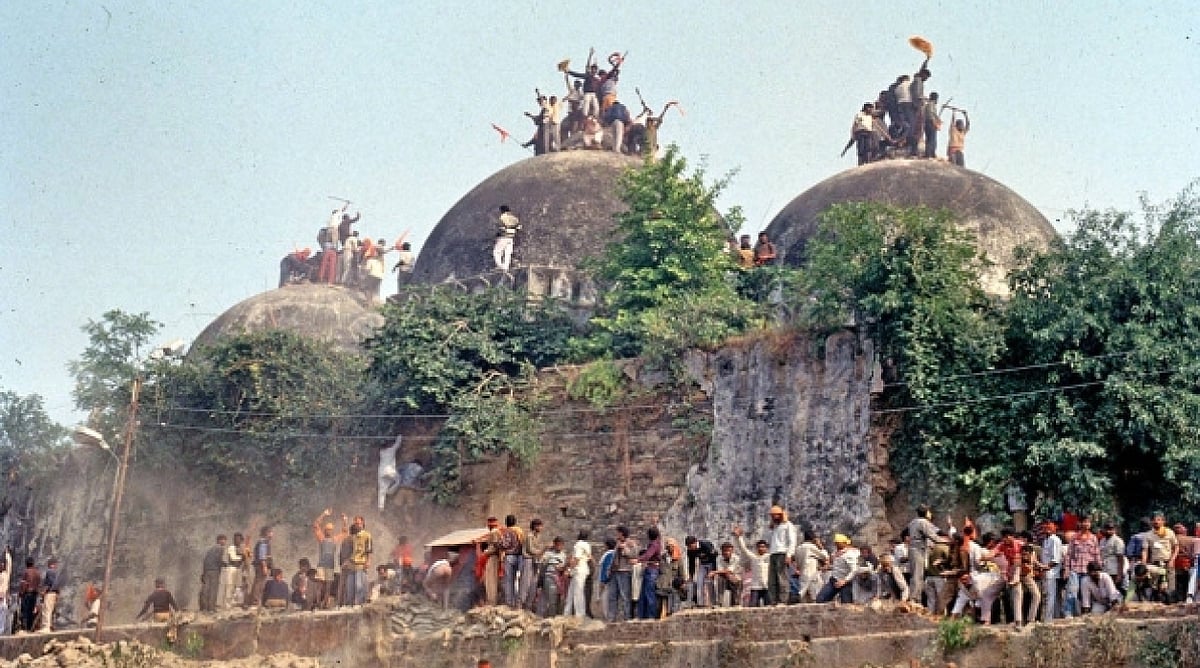
As India marks the 33rd anniversary of the Babri Masjid demolition, groups commemorate the day as Shaurya Diwas while others mourn it as a black day, reflecting ongoing divides over secularism, legality, and the future of the Ayodhya mosque project.
India Marks 33rd Anniversary of Babri Masjid Demolition Amid Deep Political and Social Divides
India on Wednesday observed the 33rd anniversary of the Babri Masjid demolition, a day that remains one of the most polarising in the country’s modern political history. For many Hindus and BJP supporters, the date is commemorated as Shaurya Diwas, celebrating the construction of the Ram Mandir at the site following the Supreme Court’s 2019 verdict that handed the land to a trust while directing that a separate plot be allocated for a new mosque.
For others—including several Opposition parties and a large section of Muslim citizens—the anniversary continues to be marked as a black day, symbolising the illegal demolition of the mosque in 1992 and what they see as a lasting blow to India’s secular principles.
The Ram Temple, now nearing completion, draws millions of devotees each year and has become a centrepiece of cultural and political mobilisation. In contrast, the mosque project on the alternate land allotted by the Supreme Court has struggled with funding delays and administrative hurdles, slowing progress.
Amid the national observance, fresh controversy emerged when a West Bengal MLA laid the foundation stone for a new mosque near Ayodhya, prompting mixed reactions from local communities and political groups.
Three decades later, the legacy of December 6 continues to shape India’s political discourse. While the Ram Mandir has been projected as a symbol of cultural resurgence, the slow progress of the mosque project underscores lingering mistrust and unresolved tensions. Analysts note that India’s challenge lies in balancing faith, constitutional values, and social harmony—especially at a time when identity politics remains deeply influential. For many, the contrasting commemorations serve as a reminder that reconciliation is still a work in progress.