Delhi Chokes as Toxic Smog Returns, Governance Gaps Exposed
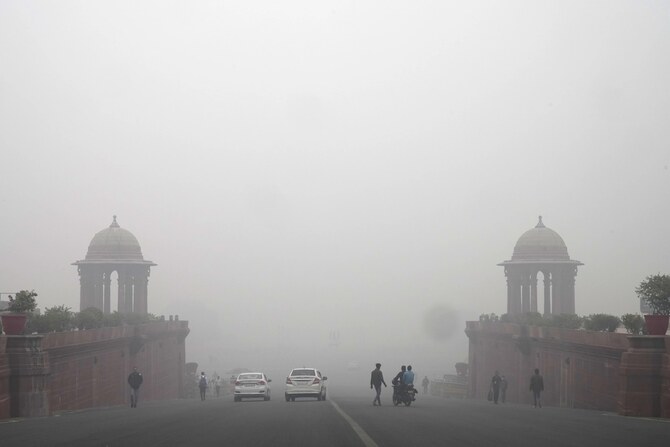
Delhi reels under hazardous smog as political blame games intensify, exposing gaps in long-term air pollution control and governance.
Delhi once again slipped into a severe air pollution emergency as air quality levels surged into the hazardous zone across several parts of the city. Restrictions under the toughest pollution control stage were rolled out, forcing schools to shift to hybrid classes, offices to allow work from home, and disrupting flight schedules at the airport.
The crisis quickly turned political. Former chief minister Arvind Kejriwal accused the ruling establishment of failing to manage pollution and questioned the credibility of air quality data. The BJP hit back, with leader Parvesh Verma blaming the previous AAP government for years of inaction on waste management, drains, and the Yamuna’s condition.
Meanwhile, Chief Minister Rekha Gupta described the smog as a long-standing structural problem that cannot be fixed overnight, stressing the need for coordinated regional measures. Despite claims of some improvement in overall air quality days this year, winter pollution spikes continue to paralyse daily life in the capital.
Delhi’s annual smog episode highlights a deeper policy failure where emergency steps replace long-term planning. Without sustained action on transport emissions, construction dust, and regional crop burning, residents are likely to face the same health risks every winter. Citizens, meanwhile, are left navigating school disruptions and health advisories with little clarity on lasting solutions.