Congress Targets Hardeep Puri Over Epstein Emails; Minister Denies Wrongdoing
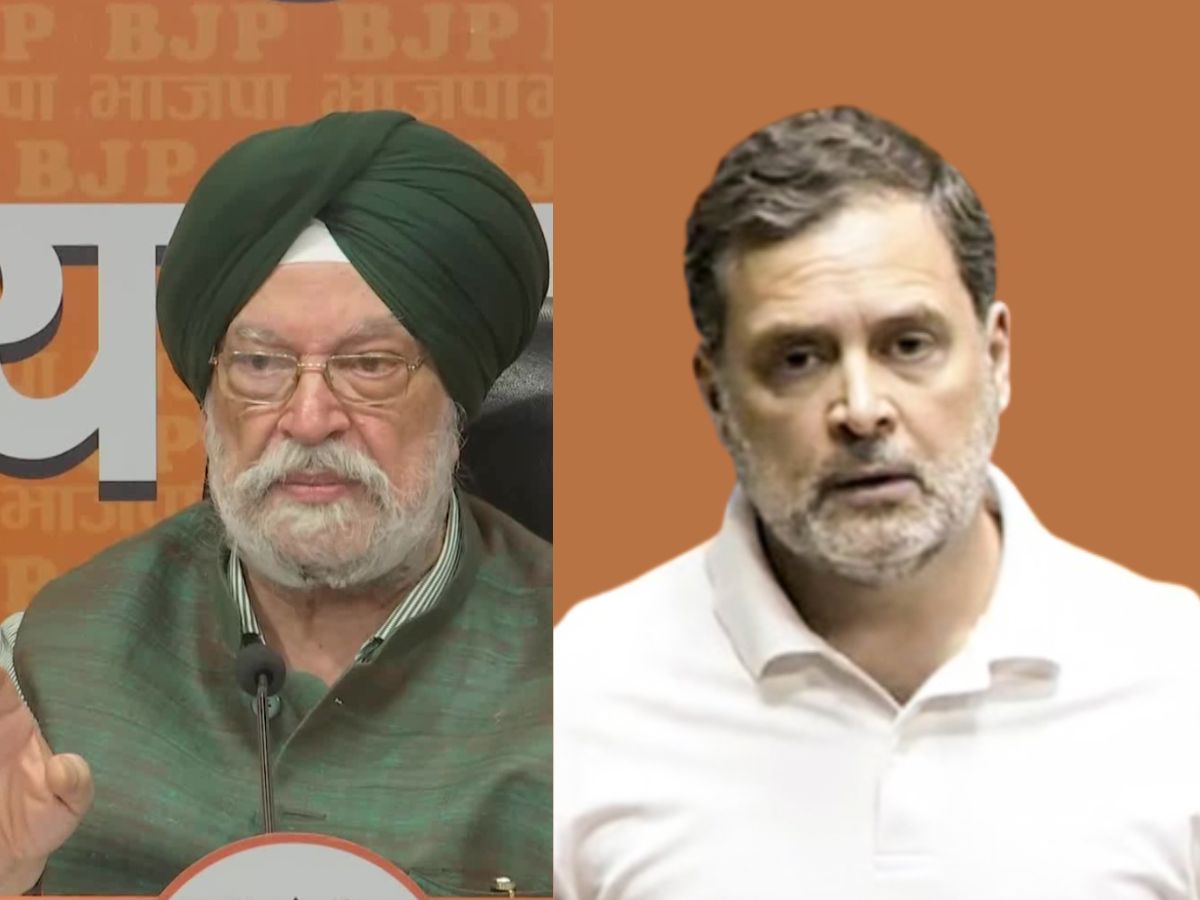
Congress alleges Minister Hardeep Singh Puri exchanged dozens of emails and meetings with Jeffrey Epstein, citing U.S. DOJ disclosures. Puri says the interactions were professional and denies any misconduct.
A fresh confrontation erupted in Parliament after the Congress accused Union Minister Hardeep Singh Puri of downplaying his past interactions with financier Jeffrey Epstein.
Congress spokesperson Pawan Khera alleged that between 2014 and 2017, Puri exchanged 62 emails with Epstein and met him 14 times in 2017 alone. He cited specific periods, including June 5–9 and September–October of that year, claiming the contacts were more extensive than publicly acknowledged.
The controversy follows the January 30, 2026 release of email records by the U.S. Department of Justice. According to the disclosed documents, Puri discussed India’s digital economy initiatives, facilitated introductions including to LinkedIn co-founder Reid Hoffman and supported the idea of an early visit to India.
Responding to the allegations, Puri characterised the exchanges as brief and strictly professional, describing them as part of networking efforts linked to India’s Digital India outreach. He stated he had no knowledge at the time of the full extent of Epstein’s criminal history and emphasised that none of the released documents allege any wrongdoing on his part.
The issue quickly spilled into Parliament, with opposition members demanding accountability and even resignation. BJP leaders, however, defended Puri, arguing that diplomatic and professional interactions do not amount to misconduct.
The episode underscores how historical associations especially with controversial figures can resurface in politically sensitive moments. While no evidence has been presented accusing the minister of illegal activity, perception and optics often weigh heavily in public discourse. As debates intensify, clarity from official records and transparent communication may prove decisive in shaping public opinion.