Arab Nations Back Trump’s ‘Board of Peace’ for Gaza Rebuild, India Yet to Decide
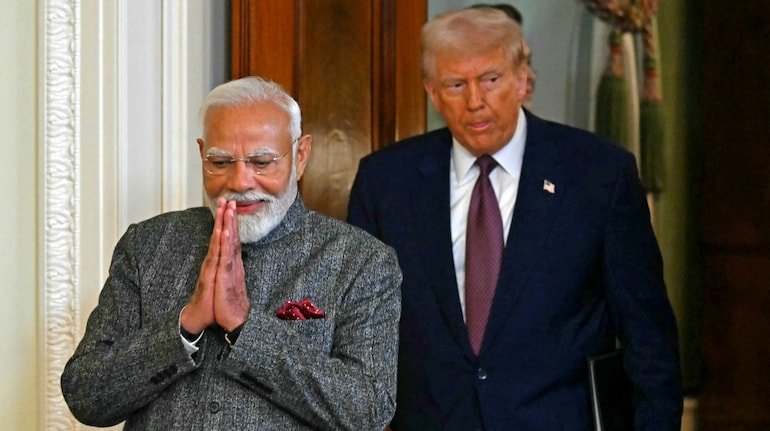
Several Arab and Muslim-majority countries endorse Donald Trump’s Board of Peace for Gaza reconstruction, while India weighs its position on joining.
A group of Arab and Muslim-majority nations has formally expressed support for former US President Donald Trump’s proposed “Board of Peace”, a new international initiative aimed at overseeing post-war reconstruction in Gaza. Countries including the United Arab Emirates, Saudi Arabia, Qatar, Egypt, Jordan, Turkey, Indonesia and Pakistan backed the plan through a joint statement issued by their foreign ministers.
The Board of Peace traces its origins to Trump’s September 2025 proposal, later referenced in United Nations Resolution 2803, following an October 2025 truce between Israel and Hamas. Washington is projecting the body as a mechanism to ensure long-term stability and rebuilding in Gaza, with Trump expected to play a central leadership role alongside figures such as Marco Rubio, Jared Kushner and former UK Prime Minister Tony Blair.
Israel has agreed to participate in the initiative, with Prime Minister Benjamin Netanyahu expected to hold a senior role. However, Netanyahu is not attending the formal announcement in Davos, reportedly due to an International Criminal Court (ICC) arrest warrant. Trump is set to unveil the Board’s charter during a ceremony on the sidelines of the World Economic Forum in Davos on January 22.
According to officials familiar with the discussions, at least a dozen countries have already committed to the initiative, which requires $1 billion contributions from permanent members. The United States has invited several global leaders, including Narendra Modi, to join the Board. India, however, has not yet taken a final decision on whether it will participate.
The Board of Peace is being positioned by Washington as a new multilateral framework, prompting speculation that it could operate parallel to—or even challenge—existing UN-led mechanisms. The backing from key Arab nations lends the initiative regional legitimacy, but its long-term credibility will depend on funding commitments and coordination with established international bodies. For India, the decision to join will likely hinge on balancing its strategic ties with the US and the Middle East against its traditional support for multilateral, UN-centric approaches to conflict resolution.