AIMIM Emerges Stronger in Maharashtra Civic Polls with 114 Seats
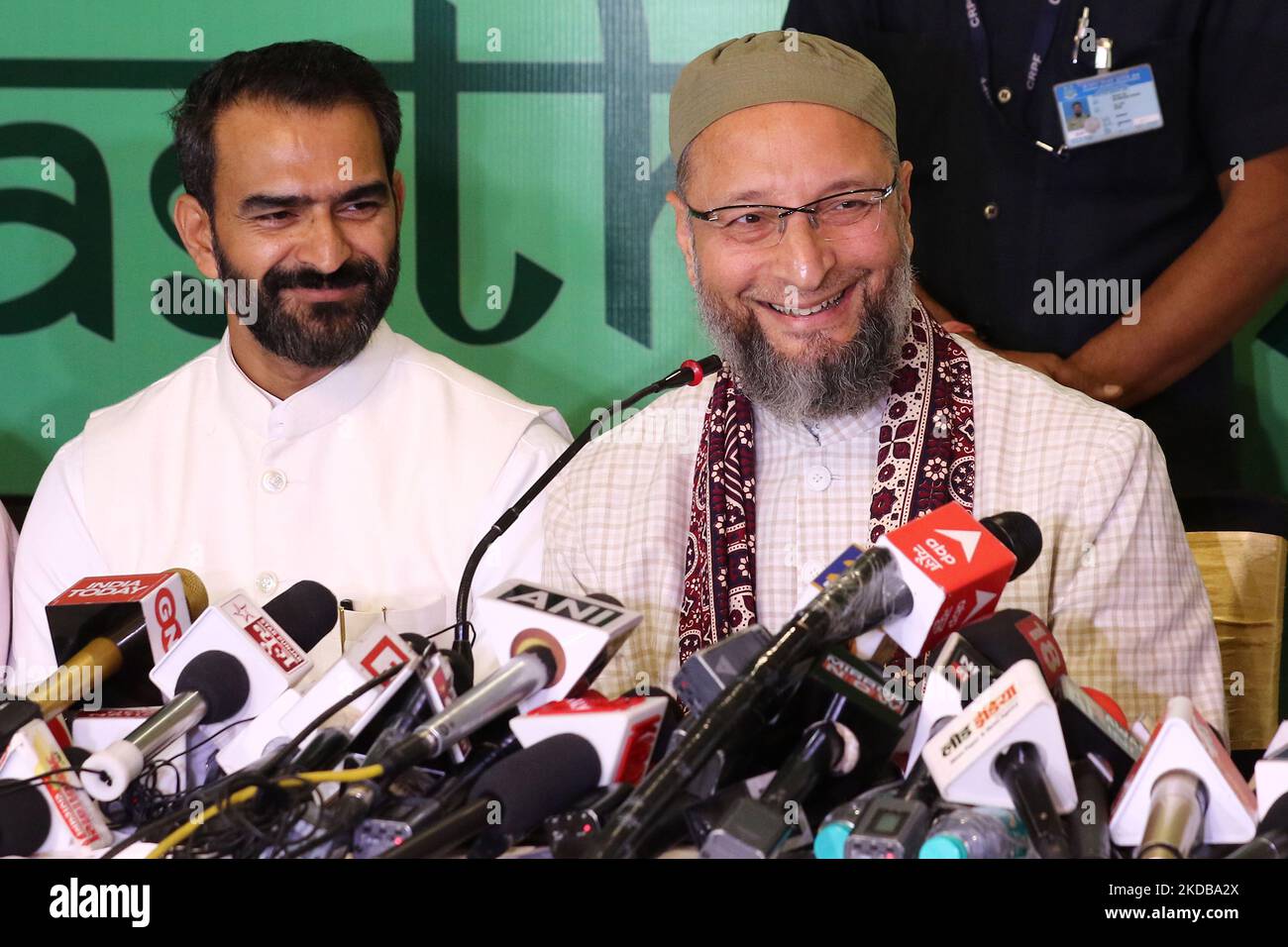
AIMIM boosts its presence in Maharashtra municipal bodies by winning 114 seats, marking a sharp rise from 2017 and reshaping local political equations.
The All India Majlis-e-Ittehadul Muslimeen (AIMIM) has recorded a significant surge in Maharashtra’s municipal corporation elections, winning 114 seats and sharply improving on its 2017 tally of 81. The results, declared on January 16, underline the party’s growing organisational footprint in the state’s urban centres.
Party leaders attributed the gains to an expanded campaign strategy announced in December 2025, when AIMIM decided to contest civic polls on a wider scale across Maharashtra. The move followed its performance in the recent Bihar Assembly elections and appears to have paid off, particularly in minority-dominated pockets.
AIMIM secured its biggest haul in Chhatrapati Sambhajinagar (33 seats), followed by Malegaon (21), Amravati (15), Nanded (13) and Dhule (10). The party also made noticeable inroads in Mumbai, Thane, Solapur, Jalgaon and Chandrapur, improving on its earlier showing in key municipal bodies including the Brihanmumbai Municipal Corporation.
Senior leader Asaduddin Owaisi’s door-to-door outreach and the party’s focus on local issues helped energise workers, said AIMIM leader Shareque Naqshbandi. The results place AIMIM ahead of parties such as the Nationalist Congress Party (Sharad Pawar) faction and Maharashtra Navnirman Sena in overall seat count.
In Mumbai, AIMIM expanded its presence beyond its earlier two-seat tally, positioning itself as a more vocal opposition force. Newly elected corporator Khairunisa Akbar Husain, who won from ward 145, said the mandate belonged to the people and promised to pursue the issues raised during the campaign.
The outcome suggests AIMIM’s shift toward hyper-local governance themes such as civic infrastructure and representation resonated more than broad ideological messaging. By strengthening its base in Marathwada and parts of western Maharashtra, the party has complicated electoral arithmetic for established players. Looking ahead to the 2029 Assembly elections, AIMIM’s expanded municipal footprint could translate into greater bargaining power, especially in councils where no single alliance commands a clear majority