After Umar Khalid Bail Rejection, Asaduddin Owaisi Questions Congress-Made UAPA
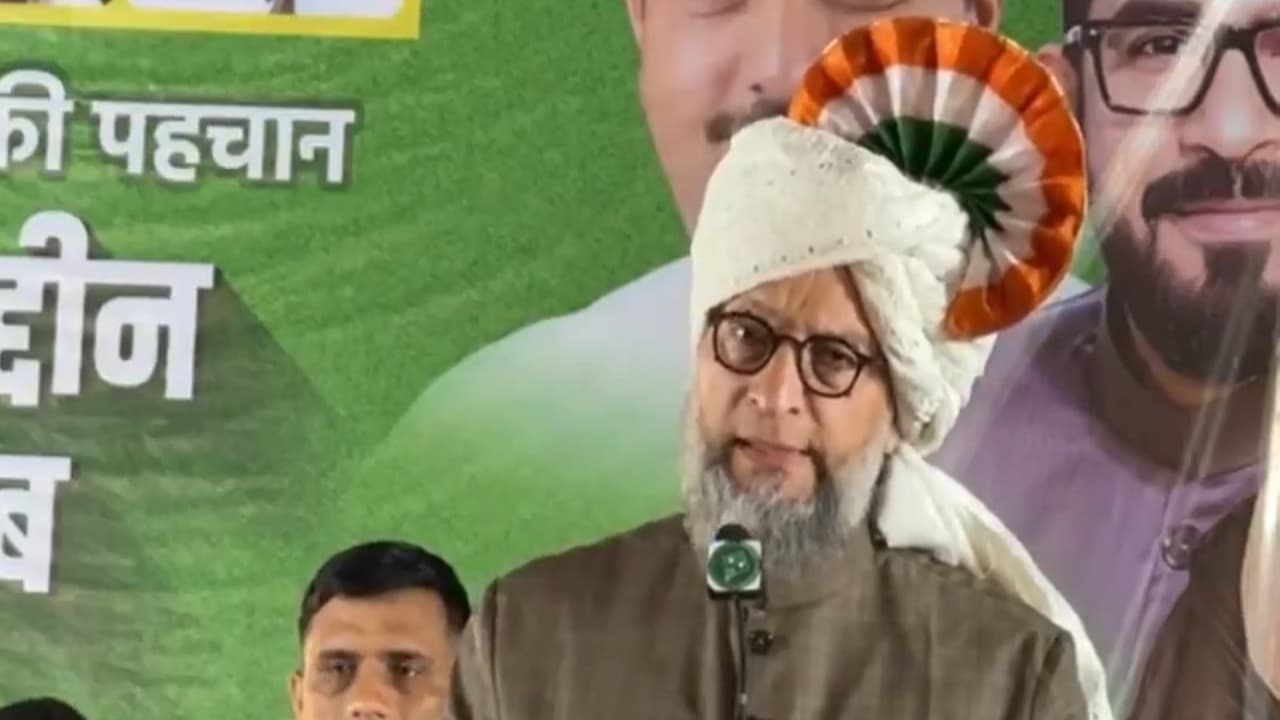
AIMIM chief Asaduddin Owaisi blames Congress-era UAPA amendments for prolonged detentions after the Supreme Court denies bail to Umar Khalid in the Delhi riots case.
Hyderabad MP and AIMIM president Asaduddin Owaisi has squarely blamed the Congress for what he calls the “systematic misuse” of anti-terror provisions, following the Supreme Court’s refusal to grant bail to Umar Khalid in the 2020 Delhi riots case.
Speaking at a public meeting in Maharashtra’s Dhule district, Owaisi argued that amendments introduced to the Unlawful Activities (Prevention) Act during the Congress-led UPA era created legal tools that now enable extended incarceration without trial. He said he had flagged these concerns in Parliament years ago, warning that vague and subjective definitions could be stretched to deny bail indefinitely.
The AIMIM leader pointed to broad language in the law defining “terrorist acts” and highlighted provisions that allow investigating agencies to seek long periods of custody without filing a chargesheet. According to Owaisi, these clauses are repeatedly invoked in cases involving minorities, resulting in years of imprisonment before guilt is proven.
The remarks came days after the Supreme Court of India held that prosecution material disclosed a prima facie case against Khalid and Sharjeel Imam, triggering the statutory bar on bail under the UAPA. While bail was denied to them, the court granted relief to several other accused who had spent more than five years in custody.
Analysis: Owaisi’s comments reopen an uncomfortable debate on preventive detention versus civil liberties. The case underscores how stringent laws, once passed with bipartisan support, can outlast political cycles and be wielded by successive governments. For lawmakers, the moment calls for a serious review of safeguards within such statutes to ensure that justice is not delayed to the point of denial.